
AMEX at Australian Casinos: The Honest Reality
 Available in AU

American Express sits in a frustrating middle ground at Australian online casinos. The card works brilliantly for everyday spending—fraud protection, statement tracking, rewards points—but walk it up to an offshore casino cashier and you’ll hit a wall more often than not. Most operators serving the Australian market don’t list AMEX in their payment menus, and the handful that do come with catches: deposit-only acceptance, potential cash-advance fees from your issuer, and cross-border declines you won’t see coming.
The regulatory picture adds another layer. No Australian-licensed online casino exists—full stop. The Interactive Gambling Act 2001 bans them outright, so every real-money pokies site an Aussie can reach operates under a Curaçao, Malta, or Anjouan license. ACMA has blocked over 1,700 gambling domains since 2019, and from January 1, 2027, new measures kick in requiring banks to block payments to designated illegal services. Using AMEX at an offshore casino isn’t illegal for you as a player, but it sits in a regulatory grey zone with no consumer protection.
This guide answers the hard question: where can you actually use AMEX to fund a casino account in Australia, and when should you pick something else? The short answer is narrow acceptance, deposit-only limits, and real alternatives that work better for most players. Here’s the breakdown.
Why AMEX Is Rare at Australian Online Casinos

Walk into any major retailer in Australia and AMEX probably works. Pull it out at an offshore casino cashier and the story flips. Acceptance sits somewhere between 10 and 20 percent of operators serving the Australian market—far below Visa, Mastercard, or even Neosurf. Three forces drive that gap.
First is cost. AMEX charges merchants 2.5 to 3.5 percent per transaction, compared to 1.5 to 2.5 percent for Visa and Mastercard. On $5,000 in deposits, an operator pays $645 in Visa interchange fees at a 1.29 percent rate. The same volume through AMEX hits $1,650 at 3.3 percent—a thousand-dollar difference. Offshore casinos run tighter margins than land-based venues, and many simply walk away from a payment method that costs twice as much to process. The operators that do accept AMEX often pass the fee to you through lower bonus caps or higher wagering requirements, though they rarely spell that out in the terms.
Second is chargeback sensitivity. AMEX built its reputation on siding with cardholders in disputes, which is brilliant when you’re fighting a dodgy retailer but problematic when the “merchant” is a Curaçao-licensed casino. Operators worry about players depositing, losing, then filing chargebacks to reverse the transaction. AMEX’s dispute process leans cardholder-friendly, so casinos treat it as higher-risk than other cards. Some payment processors flat-out refuse to route AMEX transactions for gambling merchants.
Third is the merchant category code 7995 bottleneck. When you deposit at an offshore casino, the transaction often routes through an intermediary processor, and the payment gets tagged with MCC 7995—gambling. That code triggers extra scrutiny from card issuers. AMEX Australia prohibits gambling transactions on credit cards entirely (a policy tightened after Australian banks banned credit card gambling in 2023), and even debit AMEX holders hit issuer blocks when the transaction crosses a border or the merchant code flags it as gambling. You won’t know until the deposit fails.
Add it up and AMEX is the high-maintenance card for casinos—higher cost, higher chargeback risk, higher decline rate. Most operators decide the juice isn’t worth the squeeze and leave it off the menu.
Why don’t more online casinos accept AMEX?
Higher merchant fees (2.5–3.5% vs. 1.5–2.5% for Visa or Mastercard) and AMEX’s cardholder-friendly chargeback stance make it expensive and risky for operators to process. Add issuer blocks under merchant category code 7995 and Australia’s credit-card gambling ban, and most offshore casinos simply skip AMEX to keep costs down.
How AMEX Deposits Work (When They’re Accepted)

When you find a casino that takes AMEX, the deposit workflow matches other cards. Log into the cashier, select American Express from the payment menu, enter your 15-digit card number, expiry date, CVV code, and deposit amount. Hit confirm and you’ll be bounced to a 3D Secure page—Verified by Amex—where you authenticate via SMS code or the Amex app. Funds post to your casino balance within seconds once the issuer authorizes the charge.
Minimum deposits typically sit at $20 to $30 AUD-equivalent. Maximums vary by operator but land somewhere between $750 and $5,000 per transaction, well below what you’d get with a bank transfer or crypto deposit. The cap protects the casino from large chargebacks but also limits high rollers who want to move serious money in one go.
Processing time is instant once the 3D Secure step clears. No waiting period, no manual approval—your balance updates and you’re playing. That speed is AMEX’s main selling point over bank transfers (one to two business days) or even PayID, which some offshore casinos don’t support despite its dominance in the Australian market.
The catches start piling up when you look at fees. If you’re using a credit AMEX, many Australian issuers treat gambling deposits as cash advances. That triggers a 5 percent fee or $10 minimum (whichever is higher), plus immediate interest at 22 percent-plus annual rates from the transaction date. You won’t see that fee at the casino cashier—it lands on your AMEX statement a few days later as a separate line item. Debit AMEX avoids the cash-advance classification, but cross-border transactions may still carry a 2.5 to 3 percent foreign transaction fee when the merchant processes in USD or EUR.
Then there’s the decline lottery. Even if the casino accepts AMEX, your issuer might block the transaction based on internal risk rules: merchant location, merchant category code, your spending history, or just a blanket ban on gambling merchants. The casino sees “payment declined,” you see no explanation, and support on both ends tells you to try a different card. No recourse, no override—just a dead end.
One more wrinkle: Australian banks banned credit cards for online gambling in 2023 across the board. AMEX Australia falls under that ban. Credit AMEX holders cannot deposit at offshore casinos using Australian-issued credit cards—the transaction will be declined at the issuer level, not the casino level. Debit AMEX cards issued in Australia may still work, but acceptance depends on the individual casino’s payment processor and your issuer’s cross-border gambling policies.
How long do AMEX deposits take to process?
Instant. Once 3D Secure verification clears the deposit posts to your casino balance in seconds, with no manual approval or waiting period. Speed is one of AMEX’s few genuine advantages over bank transfer or PayID at the handful of offshore casinos that still route the card through their cashier.
Will I be charged a cash advance fee when depositing with AMEX?
If you’re using a credit AMEX, yes—most Australian issuers treat gambling deposits as cash advances, triggering a 5 percent fee or $10 minimum plus immediate interest at 22 percent-plus. Debit AMEX avoids this but may carry a 2.5 to 3 percent foreign transaction fee on cross-border deposits.
Is it safe to deposit with AMEX at offshore casinos?
AMEX itself is secure — fraud protection, 3D Secure, chargeback rights. The risk is regulatory. Offshore casinos sit outside Australian law and give you no consumer recourse. If the operator folds or refuses a payout, AMEX cannot reverse a completed deposit unless you chargeback, which many casinos then use as grounds to close your account.
The Deposit-Only Problem: Why You Can’t Withdraw to AMEX

Here’s the part most guides bury in the FAQs: you can deposit with AMEX at the rare casino that accepts it, but you cannot withdraw your winnings back to the card. Withdrawals route to bank transfer, an e-wallet, or cryptocurrency—never the card itself. That asymmetry shapes everything about using AMEX at online casinos.
Why Casinos Don’t Send Money Back to AMEX
Card networks—AMEX, Visa, Mastercard—are built for purchases, not payouts. Moving money from a merchant back to a card requires special payout infrastructure, higher compliance costs, and approval from the card issuer. Most offshore casinos don’t bother with the setup because withdrawal volume is low, chargeback risk is high, and alternative methods (bank transfer, e-wallets, crypto) already work.
AMEX compounds the problem with stricter merchant rules for gambling. Sending money back to a card looks like a refund or a chargeback reversal to the network, so it can only happen up to the amount you originally deposited. You deposit $500, win $2,000, and want to cash out—the casino can refund your $500 deposit to AMEX (maybe), but the $1,500 profit must go somewhere else. In practice, most casinos skip the headache and route all withdrawals to non-card methods from day one.
Las Atlantis (a US-facing casino) is one of the few exceptions, processing AMEX withdrawals in three to four business days for amounts between $150 and $2,500. That operator is geo-blocked for Australian players, and no equivalent exists in the AU offshore market based on available data. If you’re depositing with AMEX at an Australian-accessible casino, plan on withdrawing via a different method—period.
Your Withdrawal Workarounds (Bank Transfer, E-Wallets, Crypto)
Since AMEX won’t take your winnings back, you need a second payment method on file. Here’s what works at most offshore casinos serving Australia.
Bank transfer is the universal fallback. Every casino supports it because it’s the simplest rail: they send AUD to your Australian bank account via wire or SWIFT. Processing takes three to five business days after the casino approves the withdrawal (which itself can take 24 to 72 hours). No fees on the casino side usually, but your bank may charge $10 to $20 for an incoming international transfer. Limits are high—$5,000 to $50,000 per transaction—so it’s the go-to for large cashouts. Downside: it’s slow, and you’ll need to submit ID verification (passport, driver’s license, proof of address) before the first withdrawal clears.
E-wallets—Skrill, Neteller, PayPal—sit in the middle for speed and convenience. Deposits and withdrawals process within hours once approved, you avoid sharing your bank details with the casino, and some operators waive withdrawal fees for e-wallet users. Skrill charges 1.45 percent on withdrawals, Neteller 1.75 percent, PayPal zero. The catch: not every offshore casino serving AU accepts them (PayPal especially is rare), and you’ll still need to move money from the e-wallet to your bank account eventually, adding another step. E-wallets work well for players cycling funds between sessions rather than cashing out fully.
Cryptocurrency is the fastest option by far. Bitcoin, Ethereum, and USDT withdrawals average under five hours at casinos with streamlined crypto rails—some process in under an hour. No banking intermediaries, no cross-border delays, minimal fees (blockchain transaction costs only, typically $1 to $10 depending on network congestion). Limits are higher than cards, and many crypto-friendly casinos waive withdrawal fees entirely. The learning curve is steeper—you need a wallet, you handle your own security, and AUD conversion happens at whatever the exchange rate is when you cash out—but for players who want fast access to winnings, crypto beats every other method by a day or more.
| Method | Processing Time | Fees | AU Availability |
|---|---|---|---|
| Bank transfer | 3–5 business days | $0–$20 (incoming wire fee) | Universal |
| Skrill | Same day to 24 hours | 1.45% withdrawal fee | Common |
| Neteller | Same day to 24 hours | 1.75% withdrawal fee | Common |
| PayPal | Same day to 24 hours | $0 | Rare at offshore casinos |
| Bitcoin | Sub-5 hours average | $1–$10 (network fee) | Common |
| Ethereum | Sub-5 hours average | $2–$20 (network fee) | Common |
| USDT (TRC-20) | Sub-5 hours average | $1–$3 (network fee) | Growing |
Bottom line: using AMEX means maintaining two payment methods—one for deposits (AMEX) and one for withdrawals (bank/e-wallet/crypto). If that feels like extra friction, you’re right. It’s why most Australian players skip AMEX and use a single method for both directions.
Can you withdraw winnings to your AMEX card?
No. AMEX withdrawals are effectively nonexistent at online casinos. Deposits work but cashouts route to bank transfer, e-wallets like Skrill, Neteller or PayPal, or cryptocurrency. Using AMEX means keeping a second payment method on file just to receive winnings, which adds another verification step and its own fee layer.
What’s the best alternative to AMEX for Australian casino players?
Cryptocurrency such as Bitcoin or USDT wins on speed, with withdrawals under five hours. Bank transfer suits large amounts above A$5,000. PayID delivers instant deposits, same-day withdrawals and zero fees where casinos support it. Visa or Mastercard debit gives the card experience without AMEX’s narrow acceptance and cash-advance risk.
AMEX for Pokies: What Australian Players Need to Know

“Pokies” is Australian for slot machines, and they’re the dominant game type at offshore casinos targeting the AU market. Depositing with AMEX for pokies play works identically to depositing for table games or live dealer—the payment method applies to your entire casino balance, not individual game categories. No technical difference, no special setup.
Punters looking for AMEX-friendly casinos overwhelmingly frame it as “AMEX pokies” rather than “AMEX table games” or “AMEX live dealer” — 80-plus variations on the pokies theme against a handful elsewhere. That points to a preference: Australian punters who want AMEX are often pokie-focused rather than table-game or live-dealer focused. Makes sense given pokies represent 70-plus percent of offshore casino traffic from AU.
Bonus eligibility is where things split. Some casinos exclude all credit card deposits from welcome bonuses and reload offers, citing chargeback risk. If the casino can’t tell whether your AMEX is debit or credit at the transaction level, they may blanket-exclude all AMEX deposits from promotions. Others allow it but cap the bonus at a lower match percentage (100 percent instead of 250 percent) or impose higher wagering requirements (50x instead of 40x). The terms rarely spell this out upfront—you discover it when the bonus doesn’t credit after deposit, then support tells you “credit cards ineligible.”
Check the bonus terms before depositing. Look for clauses like “deposits via credit card do not qualify” or “AMEX excluded from this promotion.” If it’s not explicitly mentioned, ask support in live chat before funding your account. Losing out on a $500 bonus because you used the wrong card stings more than the deposit itself.
One practical note: AMEX statement tracking helps monitor pokie spend. Every deposit shows as a separate line item with the casino name (or payment processor name), making it trivial to add up your monthly gambling outlay. That transparency works in your favour if you’re setting limits or tracking whether you’re up or down over time. Debit cards and bank transfers blend into general spending; AMEX gives you a clean audit trail.
Are AMEX deposits eligible for casino bonuses?
Sometimes. Some casinos exclude every credit card deposit, AMEX included, from bonuses because of chargeback risk. Others allow debit AMEX but cap the match percentage or raise wagering requirements to 50x. Terms rarely spell this out on the promo page, so check the fine print or ask live chat before you fund the account.
Finding AMEX-Accepting Casinos: What to Look For

This is where the guide delivers bad news honestly. Research across Australian offshore casino review sites—including sources ranking 35-plus operators by popularity, payment methods, and user testing—shows AMEX consistently absent from documented payment lists. Sites like VegasNow, Neospin, Sky Crown, Wincrown, Slots Gallery, and Casinova list Visa, Mastercard, PayID, Neosurf, Skrill, Neteller, and cryptocurrency in their cashier menus. AMEX doesn’t appear.
That doesn’t mean zero casinos accept it—it means acceptance is rare enough that major review sites don’t highlight it, operators don’t advertise it prominently, and players can’t rely on a curated “top 10 AMEX casinos for Australia” list built from verified data. The operators that do take AMEX are either smaller brands flying under the review-site radar or international casinos with AU access that support AMEX globally but don’t market specifically to Australian players.
Rather than fabricate a list of unverified operators (which would fail the “honest treatment” principle), here’s how to verify AMEX acceptance yourself before signing up.
Step one: check the cashier before creating an account. Many casinos let you preview payment methods without logging in—look for a “Banking” or “Deposits” page in the footer. If AMEX isn’t listed there, it won’t magically appear after signup.
Step two: contact support via live chat. Ask directly: “Do you accept American Express deposits from Australian players?” Specify Australian because some casinos accept AMEX in certain regions but block it for others based on payment-processor agreements. Get a yes/no answer in writing (screenshot the chat) before you deposit.
Step three: test with a small deposit. If AMEX shows in the cashier and support confirms acceptance, deposit the minimum ($20–$30) to verify it works. If the transaction clears, you’ve found a working option. If it declines, don’t assume it’s your card—cross-border merchant blocks and issuer gambling restrictions kill AMEX deposits even when the casino technically supports them.
Warning signs of fake AMEX acceptance: Some offshore casinos list AMEX in their terms or on a generic “payment methods” page but don’t actually offer it in the live cashier. If you create an account and AMEX is missing from the deposit dropdown, that’s a dead listing—support will tell you “temporarily unavailable” or “not supported in your region.” Bail and try elsewhere.
The honest reality: if you’re set on using AMEX at an Australian-accessible offshore casino in 2026, expect to do legwork. Acceptance is too narrow and too inconsistent to rely on a single recommendation. Verify at each casino individually, and have a backup payment method ready because most won’t take it.
What should I do if my AMEX deposit is declined?
First check whether the card is credit or debit — Australian issuers block credit-card gambling deposits outright. If it is debit, the decline usually comes from MCC 7995 triggering an issuer block or a cross-border restriction. Ask the issuer about gambling merchants; if blocked, switch to Visa or Mastercard debit, an e-wallet, or crypto.
What are the deposit limits for AMEX at online casinos?
Typically $20–$30 AUD minimum, $750–$5,000 maximum per transaction. Lower than bank transfer or crypto limits due to chargeback risk and card network caps. High rollers wanting to move $10,000-plus in one go won’t get there with AMEX—use bank transfer or cryptocurrency instead.
AMEX vs Other Payment Methods for Australian Casino Players
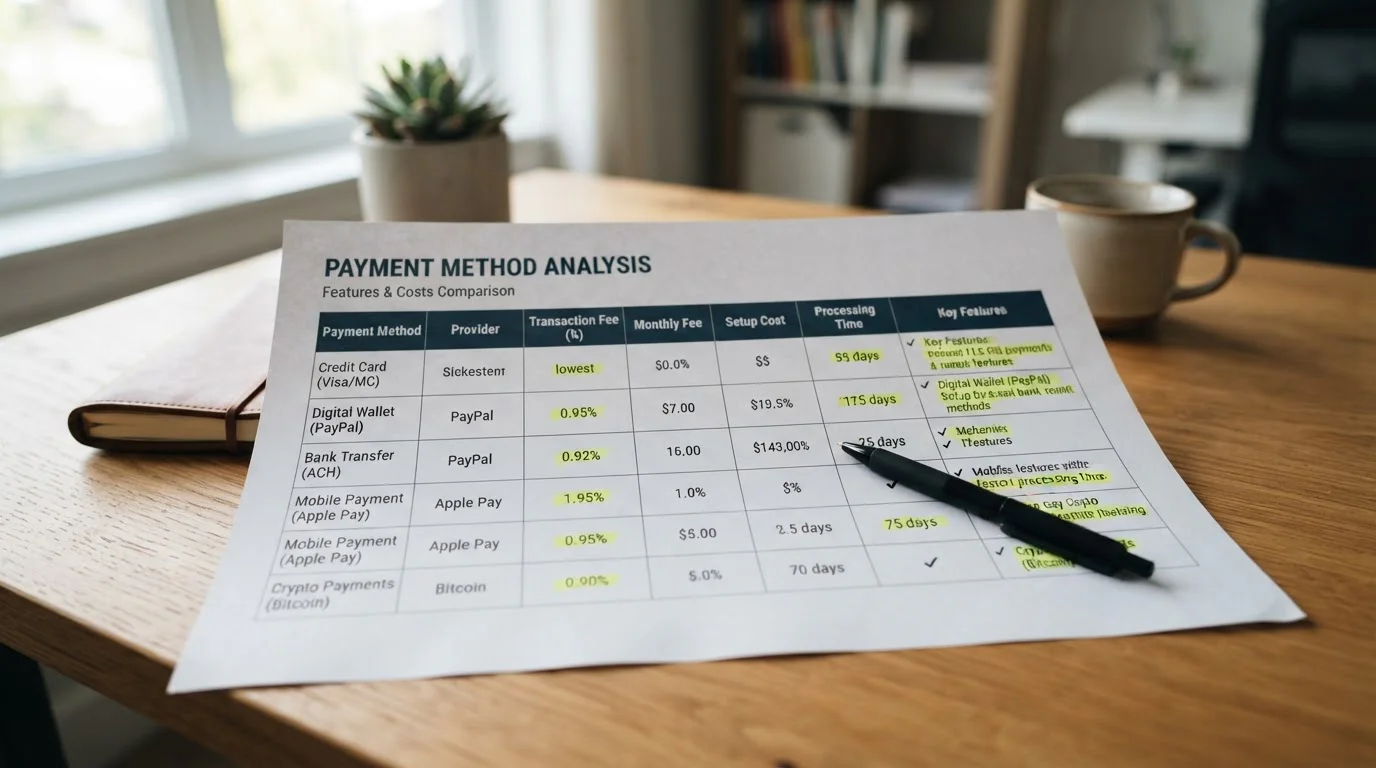
AMEX doesn’t exist in a vacuum. Australian players have access to half a dozen payment methods at most offshore casinos, and several beat AMEX on speed, cost, or acceptance. Here’s how they stack up.
Visa and Mastercard debit share AMEX’s instant deposit speed and familiar card workflow but dodge the acceptance problem—nearly every offshore casino serving AU takes them. Minimum deposits match AMEX ($20–$30), maximums sometimes run higher ($5,000–$10,000), and withdrawal support is marginally better (some casinos allow card withdrawals up to the deposited amount, though it’s still rare). Foreign transaction fees apply (2.5–3 percent), and you’ll face the same KYC requirements. The killer advantage: no narrow-acceptance lottery. If you like the card experience, Visa/Mastercard debit delivers it without the headaches.
PayID is Australia’s instant payment rail, and it dominates the local market—42 percent of Australian casino players use it according to payment-method research. Deposits clear in under 60 seconds, withdrawals process same-day to 24 hours, fees are zero at the cashier (though some casinos cap daily PayID deposits at $1,000 to $5,000), and it’s native AUD with no foreign transaction charges. The catch: offshore casinos serving AU often don’t support it because they’re not integrated with Australian banking infrastructure. Where PayID works, it’s the best option for Australians—fast, cheap, bidirectional. Where it doesn’t (which is most offshore casinos), you’re back to cards or crypto.
Cryptocurrency—Bitcoin, Ethereum, USDT—wins on withdrawal speed and cost. Deposits are instant once the blockchain confirms (10 minutes for Bitcoin, under 5 for Ethereum and USDT on fast networks like TRC-20), withdrawals average under five hours, and fees are blockchain transaction costs only ($1 to $20 depending on network congestion). No foreign transaction fees, no cash-advance risk, no issuer blocks. Limits run high ($10,000-plus per transaction), and many crypto-friendly casinos waive withdrawal fees entirely. Downsides: learning curve (you need a wallet and basic crypto literacy), AUD conversion happens at market rates (volatility risk if you hold crypto between deposit and withdrawal), and setup takes longer than pulling out a card. For players who clear the initial friction, crypto beats every other method on speed and cost.
Skrill and Neteller (e-wallets) land between cards and crypto. Deposits are instant, withdrawals clear within hours to a day, acceptance is decent at offshore casinos (though not universal), and you keep your bank details off the casino’s system. Fees: Skrill charges 1.45 percent on withdrawals, Neteller 1.75 percent, both zero on deposits. You’ll need to fund the e-wallet first (via bank transfer or card), then move money from the e-wallet to the casino—extra steps compared to direct card deposits. E-wallets work well if you’re cycling funds between sessions or want a privacy layer, but they don’t solve the “fastest way to cash out” problem the way crypto does.
Neosurf is deposit-only (you buy a prepaid voucher with cash or card, enter the code at the casino, funds post instantly), useful for players who want to avoid linking a bank account or card to the casino entirely. Zero withdrawal support—cashouts must go via bank transfer or another method. Limits are low ($250–$1,000 per voucher typically), and you’ll pay a 3 to 5 percent markup buying the voucher. Neosurf is privacy-first, not speed or cost-optimized.
| Method | Deposit Speed | Withdrawal Speed | Acceptance | Fees | Best For |
|---|---|---|---|---|---|
| AMEX | Instant | Not supported | Rare (10–20%) | 2.5–5% (cash advance + FX) | Existing AMEX holders, rewards points |
| Visa/Mastercard | Instant | 3–5 days (rare) | Universal (95%+) | 2.5–3% (FX) | Card experience without narrow acceptance |
| PayID | 60 seconds | Same day to 24 hours | Limited offshore | $0 | Australian players at PayID-enabled casinos |
| Bitcoin/USDT | 5–10 minutes | Sub-5 hours | Common (60%+) | $1–$10 (network) | Fast withdrawals, high limits |
| Skrill | Instant | Same day | Common (50%+) | 1.45% (withdrawal) | Privacy layer, e-wallet cycling |
| Neteller | Instant | Same day | Common (50%+) | 1.75% (withdrawal) | Same as Skrill |
| Neosurf | Instant | Not supported | Common (40%+) | 3–5% (voucher markup) | Privacy, no bank/card linkage |
| Bank transfer | 1–2 business days | 3–5 business days | Universal | $0–$20 (incoming wire) | Large cashouts ($5,000-plus) |
The table tells the story: AMEX sits at the bottom for acceptance and near the top for fees, with no withdrawal support and a deposit-only model that forces you to maintain a second payment method anyway. If you’re choosing a payment method from scratch rather than trying to make AMEX work, PayID (where available) or crypto (for speed) are better starting points for Australian players. If you prefer cards, Visa/Mastercard debit delivers the same instant-deposit experience without the acceptance lottery.
The one scenario where AMEX makes sense: you’re already an AMEX cardholder, you value the fraud protection and statement tracking AMEX offers, you’ve found a casino that accepts it (verified via the three-step process above), and you’re comfortable setting up a second method for withdrawals. That’s a narrow use case, but it exists.
Legal Context: Offshore Casinos and Australian Law
Let’s clear up the regulatory picture because it shapes everything about using AMEX—or any payment method—at online casinos in Australia.
No Australian-licensed online casino exists. The Interactive Gambling Act 2001 (Cth) prohibits operators from providing online casino games (pokies, table games, live dealer, virtual sports) to Australian residents. State and territory gambling regulators license land-based casinos and online sports betting, but online casino games sit under a federal ban. Crown, Star, and other land-based venues do not operate licensed online casino platforms for real money. Any site claiming Australian licensing for online casino games is lying.
Offshore operators fill the void. Every real-money pokies or table-games site an Australian player can access operates under a foreign license—typically Curaçao eGaming, Malta Gaming Authority (MGA), or Anjouan (Comoros). These licenses are issued by foreign jurisdictions with looser regulatory frameworks than Australia’s. Curaçao licenses cost around $10,000 annually and require minimal compliance oversight compared to MGA licenses (which demand stricter player protection, AML checks, and game fairness audits). From an Australian legal perspective, all offshore casinos targeting AU players are operating illegally under the IGA, regardless of their foreign license status.
Playing is not illegal for you. The IGA targets operators providing the service, not individual Australians who play. ACMA (the Australian Communications and Media Authority) enforces the law by blocking domains, issuing formal warnings, and referring illegal operators for prosecution—but players face no penalty for accessing offshore sites. You won’t be fined, prosecuted, or reported for depositing with AMEX at a Curaçao-licensed casino. That said, zero legal recourse exists if the casino folds, refuses a withdrawal, or disputes a win. You’re gambling outside Australian consumer protection entirely.
Payment blocking measures commence January 1, 2027. New IGA enforcement powers kick in at the start of next year, requiring Australian banks and payment providers to block transactions to gambling services designated as illegal by ACMA. The regulator will maintain a blocklist of offshore operators, and financial institutions must refuse deposits and withdrawals to those entities. ACMA has already blocked 1,700-plus domains since 2019; the payment-blocking layer adds teeth by cutting off the money flow rather than just hiding the website. If the casino you’re using lands on ACMA’s blocklist, your AMEX deposit—or any other payment method—may be declined at the bank level before it reaches the casino.
What this means for AMEX users: The legal landscape is tightening, not loosening. Using AMEX at an offshore casino in 2026 works in a grey zone—not illegal for you, but unsupported by Australian law and increasingly targeted by enforcement. The 2027 payment blocks may cut off AMEX (and other cards, e-wallets, bank transfers) to certain operators entirely. Cryptocurrency may be harder to block given its decentralized nature, but card-based methods like AMEX will face the brunt of the crackdown.
Play at offshore casinos fully aware that you’re outside Australian legal protection, ACMA is actively working to reduce access, and any money you deposit sits in a foreign jurisdiction with no recourse if something goes wrong. AMEX’s fraud protection and chargeback rights help somewhat—you can dispute a deposit if the casino charges you incorrectly—but once a deposit clears and you’ve placed bets, chargebacks won’t recover gambling losses.
Can you use American Express at online casinos in Australia?
Technically yes, at the handful of offshore casinos still routing it — but transactions sit in a legal grey zone. No Australian-licensed online casino exists under the IGA, so every AMEX deposit reaches a foreign operator. Playing is not illegal for you, but January 2027 payment-blocking rules may cut card access to ACMA-designated sites.
Bonuses and Promotions with AMEX Deposits
Welcome bonuses, reload offers, and free spins are table stakes at offshore casinos, but eligibility varies by payment method. AMEX deposits sometimes get excluded, sometimes count, sometimes count but at reduced value. The rules are inconsistent enough that you need to check the fine print at each casino individually.
The typical exclusion clause reads “deposits via credit card do not qualify for this promotion” or “credit/debit card deposits receive a reduced bonus match.” Casinos justify this by pointing to chargeback risk—if a player deposits, takes a bonus, loses, then disputes the deposit, the casino eats the cost of the bonus plus the chargeback fee. Credit cards carry higher chargeback risk than e-wallets or crypto because card issuers tend to side with cardholders in disputes, so operators either exclude them entirely or cut the bonus to offset the risk.
AMEX gets caught in that net even when you’re using a debit card. Some casino payment systems can’t distinguish debit from credit AMEX at the transaction level—they see “American Express” and apply a blanket “credit card” exclusion rule. You deposit with debit AMEX expecting a 250 percent match bonus, the bonus doesn’t credit, support tells you “sorry, credit cards excluded,” and you’re stuck arguing that debit isn’t credit (which support rarely accommodates after the fact).
Other casinos allow AMEX but cap the bonus. A standard offer might give 250 percent up to $2,500 for e-wallet or crypto deposits but drop to 100 percent up to $500 for card deposits. The terms may specify “cards” generically or call out AMEX explicitly. Wagering requirements can also climb—40x for preferred methods, 50x or 60x for cards—making the bonus harder to clear even if you receive it.
Best practice: check the bonus terms before depositing. Look for a “Deposit Methods” or “Excluded Payment Methods” section in the terms and conditions. If AMEX or “credit cards” are mentioned, ask support whether debit AMEX qualifies. If the terms are silent, that’s usually a good sign, but getting written confirmation in live chat prevents arguments later. Some players skip the bonus entirely when using AMEX, taking the deposit-only value to avoid wagering requirements and terms disputes.
One edge case: AMEX’s own rewards points. If your card earns points per dollar spent, gambling deposits may or may not qualify depending on your issuer and card tier. Some AMEX cards treat gambling merchant codes as ineligible for points earn, others don’t differentiate. Check your card’s terms—if points don’t post after a casino deposit, that’s why.
Mobile Casino Banking with AMEX
Depositing with AMEX on mobile works identically to desktop—log into the casino app or mobile site, tap the cashier, select American Express, enter your card details, complete 3D Secure via SMS or the AMEX app, done. Processing time, limits, fees, and acceptance are the same across devices. No mobile-specific advantages or disadvantages.
The one convenience factor: if you have the AMEX app installed and biometric login enabled, the 3D Secure step becomes a thumbprint or face scan instead of typing an SMS code. Marginally faster, slightly more secure (biometrics beat SMS codes for authentication strength), but not a decisive edge. Most Australian offshore casinos are mobile-first in design—68 percent of casino sessions originate on mobile according to payment-method testing—so the mobile deposit experience is polished regardless of which card you use.
If you’re depositing on mobile, watch data usage when loading the cashier page if you’re on a cellular connection. The 3D Secure redirect sometimes pulls in external scripts that chew through a few megabytes. Not a deal-breaker, but if you’re near your data cap, switch to Wi-Fi before depositing.
New Casinos and AMEX Acceptance
New offshore casinos launching in 2025 and 2026 show no trend toward broader AMEX acceptance. Most new operators prioritize cryptocurrency and e-wallets in their payment stacks, aiming for fast withdrawals and low processing costs as differentiators. AMEX—with its higher merchant fees, deposit-only model, and narrow appeal—doesn’t fit that strategy.
A few new casinos targeting international markets (not Australia-specific) do list AMEX, but they’re usually larger brands with global payment-processor relationships that absorb the cost of supporting multiple card networks. Smaller new operators stick to Visa, Mastercard, and crypto to keep overhead low.
What this means practically: if you’re hoping AMEX acceptance will expand as more casinos enter the Australian market, don’t hold your breath. The trend is toward crypto-first payment stacks, not card-first. New casinos launching in 2026 are more likely to support USDT on multiple blockchains than to add AMEX.
Responsible Gambling and Payment Controls
One underrated advantage of using AMEX for casino deposits: statement tracking and spending visibility. Every deposit shows as a separate line item on your AMEX statement (or app), typically with the casino name or payment processor name attached. Add them up at the end of the month and you have an exact accounting of your gambling spend. Bank transfers and e-wallet deposits blur into general spending; AMEX gives you a clean audit trail without manual tracking.
That visibility helps with self-monitoring. If you’re setting monthly gambling budgets or tracking whether you’re net positive or negative over time, AMEX makes it trivial to pull a report. Some players use a dedicated AMEX card exclusively for gambling to keep it fully isolated from other spending—though that only makes sense if you’ve found casinos that reliably accept AMEX.
Beyond payment tracking, set deposit limits at the casino level regardless of which method you use. Most offshore casinos let you cap daily, weekly, or monthly deposits through account settings. Combine that with AMEX’s own spending alerts (push notifications when a charge over $X posts) and you’ve got two layers of visibility.
Australian gambling harm resources: Gambling Help Online offers 24/7 chat and phone support at 1800 858 858 if gambling stops being entertainment. Every casino licensed in a reputable jurisdiction (Malta, Curaçao with good standing) is required to display responsible gambling links and offer self-exclusion tools. Use them if you need them—no offshore casino is worth financial distress.
Handling an AMEX Decline at an Offshore Cashier
An AMEX decline at an offshore cashier is not a single failure mode; it is three or four different failure modes that all present the same generic “payment declined” error. Diagnosing which one hit is the first step to knowing whether to keep trying, switch to a different card, or abandon AMEX at that operator entirely. The reader who understands the taxonomy avoids the trap of retrying a genuinely blocked transaction until the issuer flags the account for fraud review.
The first failure mode is the operator-side rejection. The casino’s payment processor sees AMEX in the request but has no active AMEX merchant agreement, so the transaction never reaches AMEX at all. This mode shows up as an instant decline, usually within one or two seconds of the “Confirm deposit” click, and it is deterministic — retrying with the same card at the same operator will decline every time. The fix is a different operator, not a different card. The tell is that other cards from the reader’s wallet decline at the same cashier lane in the same way, because the lane itself does not process any credit card properly, or the cashier switches Visa/Mastercard through a different backend that AMEX is not plumbed into.
The second failure mode is the issuer-side gambling-MCC block. AMEX Australia issuers apply merchant category code 7995 (gambling) blocks on some card products by default and on others under specific account conditions. A decline coded to MCC 7995 shows up after a longer processing delay (three to eight seconds), because the transaction has actually reached the AMEX authorisation system and been rejected by policy rather than by processor absence. Retrying will produce the same result until the issuer’s policy changes. The fix is a different issuer’s card (Westpac AMEX vs the reader’s David Jones AMEX, for example), or switching to Visa/Mastercard debit from a bank that does not apply the block.
The third failure mode is the fraud-model trigger. The AMEX authorisation model watches for out-of-pattern activity — a first casino transaction from a card that has never touched a casino before, a large deposit outside the cardholder’s normal spend profile, a device or IP signature that differs from the cardholder’s usual footprint. A fraud-model decline is often accompanied by a text or push notification from AMEX asking the cardholder to confirm the transaction. Confirming through the app usually clears the block within minutes. Not confirming leaves the card in a soft-blocked state where subsequent transactions decline until a human at AMEX’s fraud team reviews the account.
The fourth failure mode is the AMEX Sensitive Merchant Ruling. AMEX classifies some offshore operators as high-risk merchants and refuses to process any transaction to those merchants regardless of the cardholder’s individual profile. This is different from the MCC 7995 block because it applies at the merchant level rather than at the card level, and no cardholder-side workaround exists. The signal is a decline that persists across every AMEX card the reader tries at the same operator. The fix is a different operator or a different card scheme entirely.
Distinguishing among these four modes takes about ten minutes of testing if the reader knows what to look for. A quick Visa or Mastercard debit test at the same cashier tells the reader whether the lane processes cards at all (failure mode one). A test at a different AMEX-accepting operator with the same card tells the reader whether the card itself works elsewhere (failure modes two and four). And the AMEX app’s transaction history usually shows the failed attempt with a reason code that discriminates between issuer-side block and fraud-model trigger. The reader who works through the taxonomy avoids the two most common counterproductive responses: giving up on AMEX entirely when a single operator’s cashier is the problem, or hammering the same declining transaction until the account gets frozen.
The verdict on AMEX at Australian online casinos
Narrow acceptance, deposit-only limits, potential cash-advance fees, and better alternatives make AMEX a tough sell for most players. If you are already an AMEX holder and find a casino that takes it, the security and statement tracking are solid benefits — but verify acceptance first, have a withdrawal method ready, and know that Visa/Mastercard debit, PayID (where available), or cryptocurrency will likely serve you better. The offshore casino market is not built for AMEX, and the gap between what the card offers everywhere else and what it delivers at casinos is wide enough that most Australian players are better off looking elsewhere.
Casino Deposit Methods Australia 2026 — Full Comparison
Content created by the «Payment Methods Online» team