
Pay by Phone Casinos Australia: What Actually Works for Mobile Deposits in 2026
 Available in AU

Charge your casino deposit to your Telstra or Optus phone bill. Sounds convenient. Also doesn’t exist in Australia, despite half the search results pretending otherwise.
The phrase “pay by phone casinos” drags up pages about mobile casinos, digital wallets, and operators accepting “mobile payments.” What it rarely delivers is the thing UK players take for granted: direct carrier billing via Boku, Siru Mobile, or Payforit, where the casino deposit lands on your monthly phone bill alongside your data plan. That payment method — the one people searching this phrase actually want — is not available to Australian players in 2026. Not at offshore casinos serving AU accounts, not at sweepstakes sites, nowhere.
This isn’t about mobile casino access. Australia is one of the most mobile-first gambling markets on earth. The issue is narrower: carrier billing as a deposit rail does not operate in the AU online casino space. If you’re here because you wanted to fund a casino account by charging it to your Vodafone bill, the answer is no. If you’re here because you want fast mobile-friendly deposits without typing in card details, the answer is yes — but through different rails.
PayID moves money in under 60 seconds using nothing but a phone number or email tied to your bank account. Apple Pay and Google Pay wrap the card already sitting in your phone’s wallet and settle deposits with a fingerprint. Cryptocurrency clears withdrawals in minutes rather than business days. E-wallets like Skrill and Neteller sit in the middle. Cards still work. None of these is “pay by phone” in the carrier-billing sense, but all deliver the mobile convenience users associate with that phrase.
The confusion is understandable. Offshore casino sites targeting Australians plaster “mobile deposits” across their cashier pages, and affiliates write “pay by phone casinos Australia” content that ranks well but never clarifies the carrier-billing gap. We’ll close that gap here, then map what actually works.
Pay by Phone Casino Deposits in Australia: The Reality
Carrier billing — the payment method where a casino deposit is charged directly to your mobile phone bill or deducted from prepaid balance — exists in the UK, parts of Europe, and a handful of other markets. Boku, Siru Mobile, and Payforit are the billing intermediaries. You select the method in the casino cashier, enter your mobile number, receive an SMS confirmation, reply to authorise the charge, and the amount appears on your next monthly bill or gets deducted from your prepaid credit. Deposits are instant. Withdrawals are not supported; it’s deposit-only.
In markets where it works, carrier billing has three things going for it: no bank details shared with the casino, low friction (mobile number plus SMS reply), and no setup beyond having a phone plan. Limits are typically low — £10 to £30 per transaction in the UK — making it a casual-deposit rail rather than a high-roller option.
Australia is not one of those markets.
What ‘Pay by Phone’ Actually Means
The terminology collision happens because “pay by phone” can describe two unrelated things. The first is carrier billing: the casino charges your mobile carrier (Telstra, Optus, Vodafone), and the carrier adds the cost to your phone bill. The second is mobile payments via banking apps or digital wallets: you open your phone’s banking app, PayID, Apple Pay, or Google Pay and push a payment from there. Both involve a phone. Only the first is what UK-based guides mean when they say “pay by phone bill casino.”
Australian casino cashiers use “mobile payment” and “pay by phone” interchangeably to describe the second category. When an offshore operator says “deposit via mobile,” they mean PayID via your banking app, or Apple Pay wrapping the card in your iPhone wallet, or crypto transferred from a mobile exchange app. None of these routes the payment through your mobile carrier’s billing system. The phone is the device you’re holding, not the payment intermediary.
Casino-paymentmethods-au.com, an AU-focused payments guide updated September 2026, states it plainly: “Carrier-billed and SMS deposits are not a mainstream AU casino rail. None of the operators on the ranked list below accepts charge-to-phone deposits.” SMS at the AU-facing cashier appears as account notifications and two-factor authentication codes, never as a payment instruction.
That’s the gap. Users searching “pay by phone casinos Australia” are looking for carrier billing. The search results serve mobile casino guides with no carrier billing in sight.

Can I deposit at Australian online casinos using my phone bill?
No. Direct carrier billing — deposits added to your Telstra, Optus or Vodafone phone bill — is not available at online casinos serving Australians. Boku, Siru Mobile and Payforit do not operate in the AU casino space. You can still deposit via PayID, Apple Pay or crypto, just not by charging your mobile carrier.
Why Carrier Billing Doesn’t Work in Australia
Three factors explain the absence. The first is carrier participation. Carrier billing requires a commercial agreement between the billing intermediary (Boku, Siru) and the mobile network operator. In the UK, all four major networks — EE, Vodafone, Three, O2 — have longstanding integrations with Boku and similar providers. Those integrations extend to gambling merchants, including online casinos. In Australia, the major carriers have not enabled casino deposits through their billing systems. The technical infrastructure exists (Australians can charge app purchases and other digital content to their phone bills), but the casino category is not switched on.
The second factor is regulatory friction. Online casino provision is prohibited in Australia under the Interactive Gambling Act 2001. The law targets operators, not players, but it has chilled mainstream payment rails. Carriers and payment processors operating in Australia tend toward conservative merchant risk policies. Enabling carrier billing for offshore casinos — operators with Curaçao or Anjouan licenses serving a market where casino provision is illegal — sits in the “too much compliance risk for not enough revenue” bucket.
The third is competitive displacement. PayID launched in 2018 on the New Payments Platform, delivering instant bank-to-bank transfers using a mobile number or email as the identifier. By 2026, over 25 million PayIDs are registered — essentially every Australian adult — and PayID deposits at offshore casinos settle in under 60 seconds. Carrier billing’s main selling point in the UK (instant deposit without entering bank details) is redundant in Australia because PayID already does that, with higher limits and bank-level security. A billing intermediary looking at the AU market in 2026 sees a saturated deposit landscape where the local instant-payment rail has 42 per cent market share and no obvious gap to fill.
POLi, an instant bank gateway that once competed in this space, shut down Australian operations on September 30, 2023. Parent company Centricom cited tightened bank integration support and redundancy in the face of PayID. If POLi couldn’t survive against PayID, carrier billing never stood a chance.
The Terminology Trap
Affiliate casino sites and payment guides written for international audiences use “pay by phone” as a synonym for carrier billing. When those pages rank in Australian search results, they create a semantic trap. An Australian searching “pay by phone casino” lands on a guide explaining Boku and Payforit, assumes that’s what Australian casinos offer, clicks through to a ranked operator, and finds no such option in the cashier. The frustration is real, and the page that ranked first did not solve the task.
Some AU-facing casino cashiers still display legacy logos for POLi or SMS deposit options. These are either non-functional placeholders left in the UI from a pre-2023 template, or they redirect to PayID or bank transfer flows when clicked. Slotozilla’s AU payment-method page, checked in 2026, states: “Currently, none of the casinos on our list accept Pay by Phone as a payment method. We recommend checking out our top-rated casinos and their associated bonuses instead.” That’s the honest answer buried seven paragraphs down.
Carrier billing is not coming back. PayID has eaten the deposit page.

Mobile Payment Methods That Actually Work in Australia
Australia runs one of the most mobile-first gambling markets globally. The vast majority of Aussies playing real-money pokies do it on a phone, not a desktop. The payment rails reflect that reality. What follows are the six methods Australian players actually use in 2026, ranked by adoption and speed.
| Method | Deposit Speed | Withdrawal Speed | Fees | Best For |
|---|---|---|---|---|
| PayID | Under 60 seconds | 1–4 hours (verified) | Zero | Instant deposits, fast withdrawals, bank-level security |
| Apple Pay | Instant | Not supported (card return, 3–5 days) | Zero deposit fee | iOS users wanting one-tap biometric deposits |
| Google Pay | Instant | Not supported (card return, 3–5 days) | Zero deposit fee | Android users wanting one-tap biometric deposits |
| Cryptocurrency | Instant (on-chain confirmation) | 4 min–5 hours | On-chain fees (USDT TRC-20 cheapest) | Fastest withdrawals, anonymity, bypassing bank blocks |
| Skrill | Instant | Within hours once approved | 1.45% withdrawal fee | Privacy layer, multi-currency support |
| Neteller | Instant | Within hours once approved | 1.75% withdrawal fee | Privacy layer, multi-currency support |
| Debit Cards | Instant | 3–5 business days | Usually zero | Universal acceptance, no setup |
| Bank Transfer | 1–2 business days | 5–7 business days | Zero | Large deposits, no intermediary |
| BPAY | 1–2 business days | 3–5 business days | Zero | Bill payment familiarity |
PayID
PayID is not a payment method in the traditional sense. It’s an addressing service built on the New Payments Platform, the real-time settlement network Australia quietly built while the rest of the world argued about open banking. Instead of sharing your BSB and account number with a casino, you register a PayID — typically your mobile number or email address — with your Australian bank. The casino’s cashier asks for your PayID. You open your banking app, confirm the transfer, and the money lands in your casino balance in under 60 seconds. The NPP processes the payment 24/7/365, including weekends and public holidays.
Three-layer infrastructure powers it. The NPP is the core real-time clearing system. Osko is the consumer-facing instant transfer service layered on top. PayTo, a third layer enabling merchant-initiated payment requests, exists but is not yet widely adopted by casinos. For deposits, Osko is the workhorse.
Adoption is near-universal. Over 25 million PayIDs are registered nationally as of 2026, covering essentially every Australian adult. The NPP processed roughly 2 billion transactions in 2025. One in three account-to-account payments now use NPP rails. Among registered PayID users, 47 per cent use it weekly. At offshore casinos serving Australian players, PayID has 42 per cent market share — the single most popular deposit method ahead of cards, e-wallets, and crypto combined.
Speed is the draw. Deposits settle in under 60 seconds from the moment you confirm the transfer in your banking app. The delay is network transit, not casino processing. Withdrawals are faster than cards but not instant in the “blink and it’s there” sense casinos advertise. Realistic timelines: first withdrawal on an unverified account takes 2 hours to 3 days because KYC document review is required. Once verified, weekday withdrawals clear in 1 to 4 hours. Weekend withdrawals may stretch longer due to reduced staffing, though the NPP itself runs continuously. NeoSpin, an offshore casino with a Curaçao license (Hollycorn N.V.), recorded the fastest PayID withdrawal average in independent testing: 22 minutes across 14 withdrawals. That’s an outlier, not the norm, but it sets the benchmark.
Three stages govern a PayID cashout. The request enters the casino’s queue (immediate to 1 hour). Compliance review happens next (0 to 4 hours for verified accounts, 1 to 48 hours if KYC documents are still under review). NPP settlement, once the casino releases the funds, clears in under 60 seconds. The bottleneck is always casino-side processing, never the payment network.
What is the fastest deposit method for mobile casino players in Australia?
PayID is the fastest for deposits, settling in under 60 seconds from your banking app to your casino balance. For withdrawals, cryptocurrency is fastest — top operators like BC.Game clear crypto cashouts in ~4 minutes, with most under 20 minutes. PayID withdrawals take 1–4 hours on verified accounts once the casino processes the request.
Limits depend on two constraints: your bank’s daily PayID cap and the casino’s published minimums and maximums. Big Four banks (Commonwealth, Westpac, NAB, ANZ) typically impose AUD 1,000 to AUD 10,000 daily PayID limits depending on account type. Casino minimums sit at AUD 10 to AUD 30 for deposits and AUD 20 to AUD 50 for withdrawals. Casino maximums per transaction range from AUD 2,000 to AUD 10,000, with weekly caps of AUD 5,000 to AUD 10,000. The lower limit always applies: if your bank caps PayID at AUD 5,000 but the casino allows AUD 10,000, you’re limited to AUD 5,000.
Fees are zero in most cases. The NPP’s wholesale cost dropped from 39 cents in 2019 to roughly 4 cents per transaction by 2026, making it economically viable for offshore operators to absorb costs entirely. If a casino charges fees on PayID transactions, that fee represents the operator’s margin rather than a network or banking cost.
Security is structural. PayID uses a push-payment model: you initiate the transfer from your banking app, and the casino never receives your account number, BSB, or credentials that could be used to extract funds. This is fundamentally different from card payments, which are pull transactions requiring you to hand over credentials. Card fraud cost AUD 854 million in FY25 across Australia. PayID eliminates the credential-sharing mechanism enabling most of that fraud.
Is PayID safe to use for online casino deposits?
Yes. PayID is push-only — you initiate transfers from your banking app, so the casino never sees your BSB, account number or credentials that could pull funds. That is structurally safer than cards, which require handing over details the merchant can charge. PayID runs on the NPP, supervised by the RBA, with bank-level security.
One procedural note: complete KYC verification before your first deposit to avoid withdrawal delays. Many offshore casinos trigger document review at the first payout if verification wasn’t already complete, which adds 24 to 48 hours to the cashout clock. Upload your ID and proof of address upfront, wait for approval, then deposit. First-time PayID payouts on verified accounts clear in 1 to 4 hours; on unverified accounts, they can stretch to 3 days.
Apple Pay
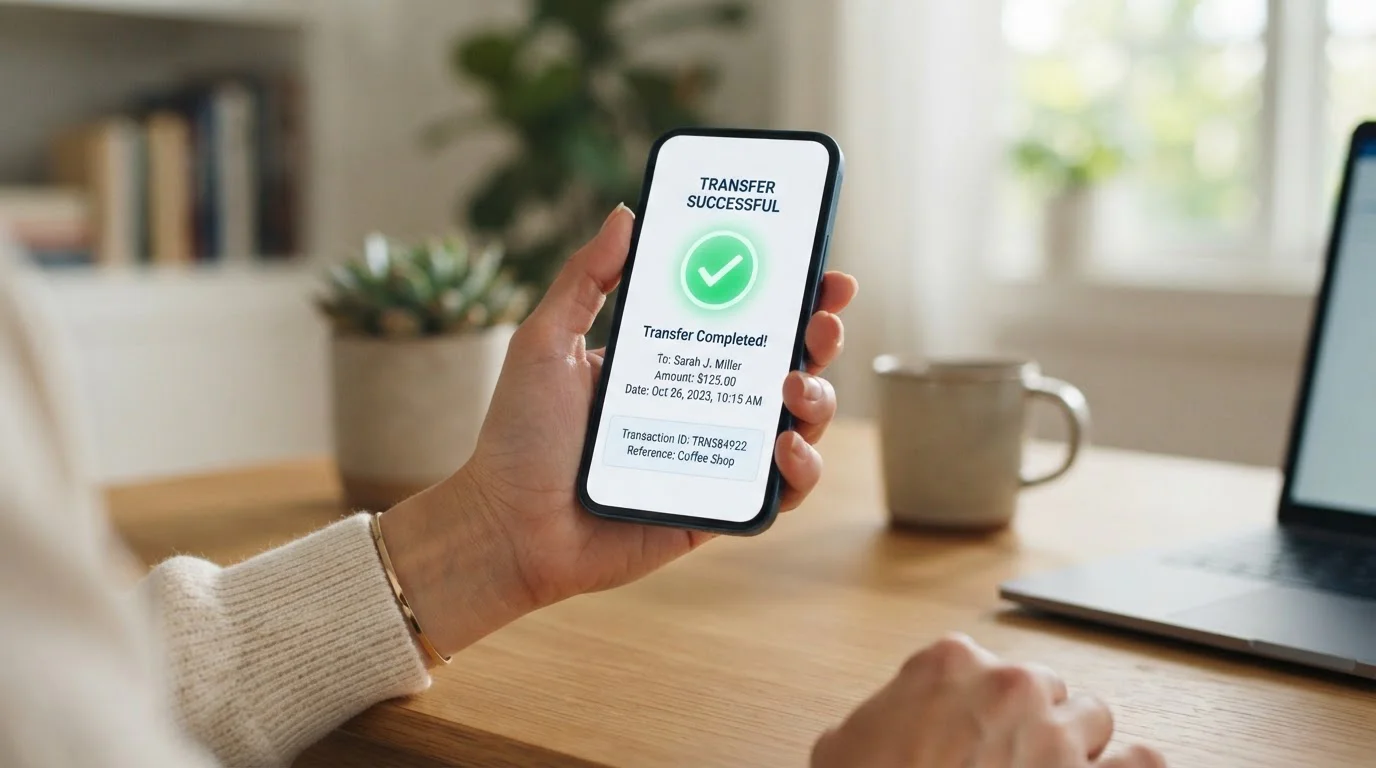
Apple Pay is a mobile wallet, not a payment method. It wraps the Visa or Mastercard already sitting in your iPhone’s Apple Wallet and uses that card to fund an ordinary card deposit. The biometric layer (Face ID, Touch ID, passcode) and tokenization (a device-specific number replaces your actual card number in the transaction) add security, but on the backend the casino processes it as a standard card payment.
Instant deposits are the pitch. Open the casino’s mobile site in Safari, navigate to the cashier, select Apple Pay, authenticate with your face or fingerprint, and the deposit lands in your balance within seconds. No typing in 16-digit card numbers, no CVV, no expiry date. For iOS users accustomed to one-tap purchases across the App Store and retail, the experience is frictionless.
Withdrawals are not supported via Apple Pay. When you request a cashout, the casino returns the funds to the underlying card via the standard card-refund process, which takes 3 to 5 business days. Apple Pay does not function as a withdrawal rail; it’s deposit-only.
Apple Pay works across iPhone, iPad, Apple Watch, and Mac devices. Every offshore casino accepting Visa and Mastercard from Australian players accepts Apple Pay by default, because the transaction arrives at the casino’s payment processor as a card charge. Some cashiers display an explicit “Apple Pay” button; others simply detect Safari on an iOS device and offer the option at card-entry.
The security advantage is real but often overstated. Tokenization means the casino sees a device-specific token, not your card number, which limits exposure in a data breach. However, if you dispute a transaction (chargeback), you’re disputing the underlying card payment, and chargebacks against gambling merchants are notoriously difficult to win. Push-payment methods like PayID are structurally safer because the merchant never gains pull access to your account.
Apple Pay slots into the 31 per cent digital wallet share of Australian e-commerce payments recorded in 2025. For players who hold an iPhone and want the convenience of biometric deposits without configuring PayID or opening a crypto wallet, it’s the lowest-friction option. For those chasing fast withdrawals, it’s not the answer.
Google Pay
Google Pay does for Android what Apple Pay does for iOS: wraps the Visa or Mastercard in your Google Wallet, funds an ordinary card deposit with biometric or PIN authentication, and delivers instant one-tap convenience. On the backend, the casino processes it as a card payment. Tokenization protects your actual card number. Withdrawals are not supported; payouts return to the underlying card in 3 to 5 business days.
Muddy River News ran real money across five offshore Google Pay casinos through July and August 2026, ranking them on the thing that matters most: whether they pay you back. Stay Casino, Ricky Casino, Casinonic, Bizzo Casino, and SkyCrown topped the tested list. All are offshore operators with Curaçao or similar licenses, all accept AUD, and all process Google Pay deposits as wrapped card transactions. None is licensed in Australia, because no online casino can be under the IGA.
Google Pay settles deposits instantly. The transfer clears on a fingerprint or PIN, the casino balance updates within seconds, and you’re playing. The same frictionless pitch as Apple Pay, calibrated for Android users who make up a significant share of the Australian mobile market (though iOS penetration in Australia runs higher than the global average).
The limitation is identical to Apple Pay’s: deposit-only. Google Pay is not a withdrawal method. When you request a cashout, the funds return via the card refund process, which is slower than PayID or crypto and subject to the casino’s card-withdrawal processing window. For players who prioritize fast cashouts, Google Pay is the wrong tool. For players who want instant deposits without opening their banking app or setting up an e-wallet, it’s viable.
One clarification worth making: “Google Pay casinos” in Australian search results sometimes conflate Google Pay (the mobile wallet) with Google Pay as a standalone account-to-account transfer service (similar to PayPal). The latter exists in some markets but is not widely supported by offshore casinos serving Australians. What works is the mobile wallet wrapping your card.
E-Wallets (Skrill, Neteller)
Skrill and Neteller are third-party digital wallets owned by Paysafe Group. Both function as privacy layers between your bank and the casino: you load funds into the e-wallet from your bank account or card, then transfer from the e-wallet to the casino. The casino sees the e-wallet transaction, not your direct bank details.
Deposits are instant with zero deposit fees. Withdrawals clear within hours once the casino approves the request, but “within hours” is doing some work. Many offshore casinos impose a 24 to 48-hour mandatory review window before any withdrawal is processed, regardless of method. The clock starts when you request the cashout, not when the e-wallet processes it. Actual time to funds in hand = casino review period (0 to 48 hours) + e-wallet processing time (minutes to a few hours).
The cost sits in the withdrawal fee. Skrill charges 1.45 per cent. Neteller charges 1.75 per cent. Neither is ruinous, but neither is free, and the fee is a flat percentage of the cashout, not a capped amount. Cash out AUD 1,000 via Neteller and AUD 17.50 disappears. Do that weekly and the fees add up. PayID and crypto impose zero withdrawal fees; cards are usually free but slower; e-wallets sit in the expensive middle.
Do Australian online casinos accept Apple Pay or Google Pay?
Yes, most offshore casinos serving Australians accept Apple Pay and Google Pay as deposit methods. Both wrap the Visa or Mastercard already in your phone’s wallet and process an instant card deposit with biometric authentication. Deposit-only — withdrawals route back to the card via the standard 3–5 business day refund process, not through the wallet.
Additional fee layers stack. Loading your Skrill or Neteller account via debit card incurs roughly 2.5 per cent. Currency conversion, if your e-wallet balance is not held in AUD, runs around 3.99 per cent. Withdrawing from the e-wallet to your Australian bank account costs AUD 3.95 flat (Skrill). An inactivity fee of AUD 5 per month kicks in after 12 months of dormancy. The math gets expensive if you’re not careful.
Neteller claims roughly 2.5 million active users globally and supports 28-plus currencies. Digital wallets now account for 31 per cent of all e-commerce payments across Australia, and e-wallet adoption in gambling follows that trend. Skrill and Neteller have particular traction among players who want a spending buffer (load a fixed amount into the e-wallet, gamble only that, avoid direct bank-to-casino visibility) or who operate across multiple currencies and want consolidated balances.
PayPal, the e-wallet most Australians recognize, is rarely available at offshore casinos. PayPal follows strict merchant and regulatory policies; the Interactive Gambling Act’s prohibition on casino provision means PayPal steers clear of offshore operators offering pokies and table games to Australians. You’ll find PayPal at licensed Australian wagering operators (sports and racing), but not at the Curaçao-licensed casino sites this article is mapping. If a cashier displays a PayPal logo, it either doesn’t work or redirects to a different method when clicked.
E-wallets made more sense before PayID reached 42 per cent adoption. In 2026, the value proposition is thinner. PayID is faster, free, and bank-direct. Crypto is faster still for withdrawals and cheaper for high-frequency cashouts. Skrill and Neteller survive in the Australian market on inertia and the narrow use case of players who already hold e-wallet balances from other gambling or e-commerce activity. New players setting up a casino cashier for the first time have little reason to detour through an e-wallet when PayID is already configured in their banking app.
Debit Cards
Visa and Mastercard debit cards are the universal fallback. Every offshore casino serving Australians accepts them. No setup required beyond having a bank account. Instant deposits, zero deposit fees at most operators (some charge 2 to 3 per cent, disclosed at the cashier). Withdrawals take 3 to 5 business days and land back on the card you deposited from.
The appeal is familiarity. If you’ve bought anything online in the last decade, you know how to enter a card number, expiry, and CVV. No new apps to download, no crypto wallets to configure, no PayID to register. Open the casino cashier, type in your card details, deposit, play. For players uncomfortable with newer rails or those who simply want to use what’s already in their wallet, cards remain the default.
Credit cards are a separate story. The Interactive Gambling Amendment (Credit and Other Measures) Act, which passed in 2023 and took effect June 11, 2024, banned credit cards, credit-related products, and digital currency for online wagering at licensed Australian operators. That ban applies to domestically licensed sports and racing wagering services, not to offshore casinos, which continue accepting credit cards in 2026. The distinction matters: debit cards were never part of the ban and work everywhere; credit cards are banned for licensed operators but still accepted by the offshore Curaçao and Malta casinos Australians actually use for pokies and table games.
Card withdrawals are slower than PayID, slower than crypto, slower than e-wallets. The 3-to-5 business day timeline is a card-network constraint, not a casino policy. Some operators impose their own processing delay (24 to 48 hours) on top of that, stretching first cashouts to a full week. Verified accounts on fast-payout casinos can see card withdrawals in 3 days; unverified accounts at slower operators can wait 7.
Security is the known weak point. Card payments are pull transactions: you hand the casino your card number, expiry, and CVV, and the casino (via its payment processor) pulls funds from your account. That credential set, if exposed in a data breach or mishandled, can be used for unauthorized charges. Card fraud cost AUD 854 million in FY25 across Australia. Apple Pay and Google Pay mitigate this via tokenization; PayID eliminates it via push-payment architecture. Raw card entry is the least secure option on this list, which is why regulators and payment networks keep pushing consumers toward wallets and account-to-account transfers.
Cards remain the most widely used deposit method globally, but in Australia that dominance is fading. PayID has overtaken cards at many offshore casinos serving AU players, and crypto is growing fast among players who prioritize withdrawal speed. Cards are no longer the first choice; they’re the fallback when nothing else fits.
Cryptocurrency
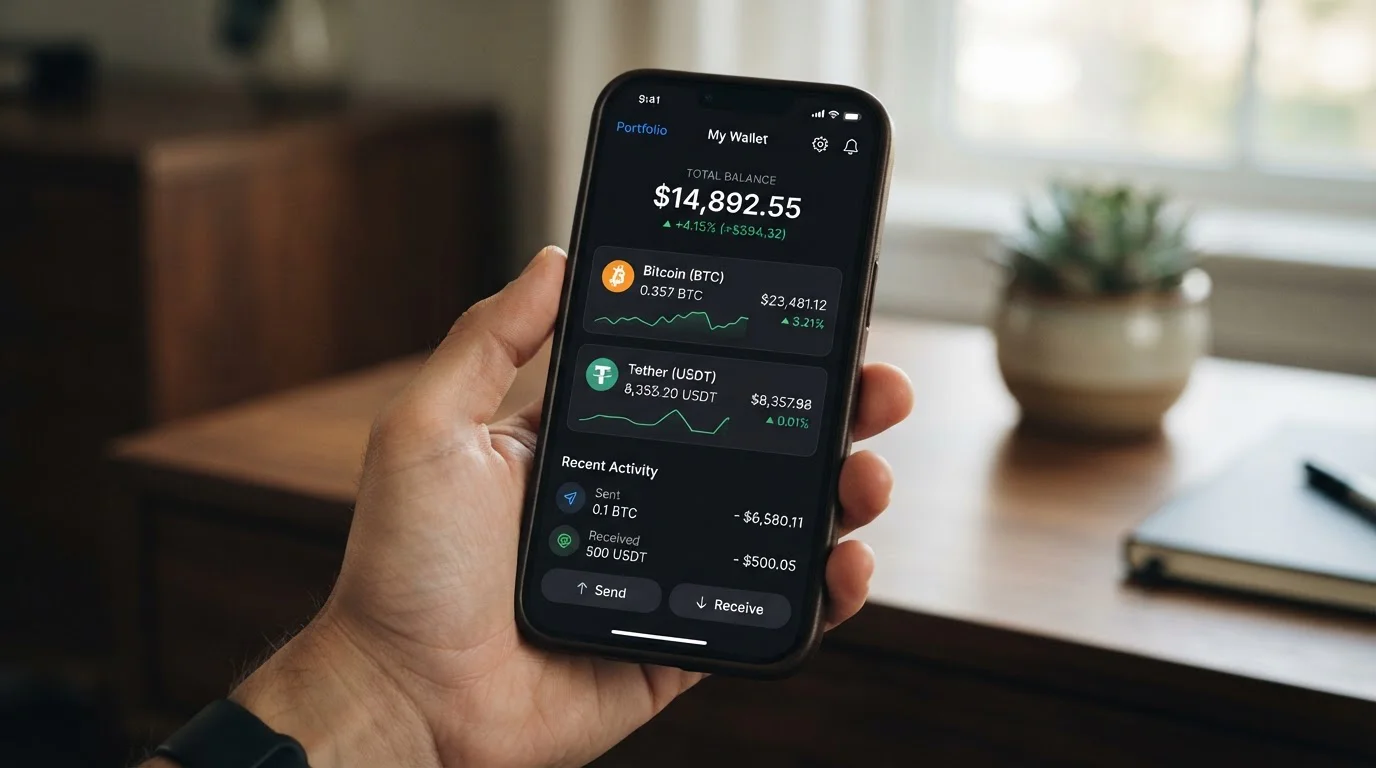
Bitcoin, Tether (USDT), Ethereum, Litecoin, and a growing list of altcoins have become the fastest withdrawal rail for Australian casino players. Crypto deposits clear on-chain confirmation (typically within minutes). Crypto withdrawals bypass the casino’s card-refund pipeline and traditional banking delays, settling in minutes to hours rather than business days.
BC.Game, a crypto-native casino, clears withdrawals in roughly 4 minutes. BitStarz averages 7 minutes. OnlySpins, Vave, GambleZen, SpinEmpire, SlotsVader, and WinShark all process crypto cashouts in under 20 minutes. Wild Fortune, a hybrid operator offering both fiat and crypto, averaged 4 hours 53 minutes across five crypto withdrawal tests. Compare that to 3 to 5 business days for card withdrawals or 5 to 7 days for bank transfers. The speed advantage is structural, not just a faster approval queue.
USDT on the TRC-20 blockchain has become the preferred rail. TRC-20 is a token standard on the Tron blockchain. USDT is a stablecoin pegged 1:1 to the US dollar, which eliminates the price volatility that makes holding Bitcoin or Ethereum feel like a separate gamble. TRC-20 offers the cheapest on-chain fees of any widely supported blockchain — fractions of a cent per transaction — and near-universal acceptance across offshore casinos. NeoSpin and Wild Fortune accept USDT deposits from as low as 5 USDT (roughly AUD 7 at recent exchange rates), the lowest crypto entry point on the AU-facing casino market.
Bitcoin remains the most established cryptocurrency and the most widely recognized, but its on-chain fees are higher than USDT’s and its price swings faster. Ethereum and Litecoin sit in between: more stable than Bitcoin, less stable than USDT, with moderate fees. BC.Game accepts over 100 cryptocurrencies, covering every major coin and dozens of niche altcoins. Most operators accept 5 to 10: Bitcoin, USDT, Ethereum, Litecoin, Dogecoin, Solana, and XRP are the recurring list.
Crypto withdrawals are fast because they’re settled on-chain, not by the casino’s KYC pipeline. Traditional fiat withdrawals (cards, bank transfers, PayID) require the casino to review your KYC documents, run compliance checks, and manually release the funds to the payment processor. Crypto withdrawals still require KYC at most licensed operators, but the verification happens upfront (at account registration or first deposit), not at every cashout. Once you’re verified, requesting a crypto withdrawal triggers an on-chain transfer that the casino cannot reverse or delay beyond its internal approval window. The blockchain settles the transaction regardless of casino staffing, banking hours, or payment-processor queues.
The trade-off is consumer protection, or the lack of it. Crypto transactions are irreversible. No chargeback mechanism, no dispute path, no Australian consumer protection framework, no complaints body that will hear a grievance about a crypto casino. Send funds to the wrong address and they’re gone. Win big, cash out in Bitcoin, and the casino goes offline the next day? No recourse. Crypto’s speed and pseudonymity come at the cost of every safety net traditional banking provides.
Australian players typically acquire crypto by purchasing it on a domestic exchange (CoinSpot, Swyftx, Independent Reserve, Binance Australia) using AUD via PayID or POLi (before POLi shut down). Once purchased, the crypto is transferred from the exchange wallet to the casino’s deposit address — a unique alphanumeric string the casino generates for your account. Deposits appear in your casino balance within minutes of on-chain confirmation. Withdrawals reverse the process: request a cashout, the casino sends crypto to your wallet address, you transfer it back to the exchange, sell for AUD, withdraw AUD to your bank account. The round trip adds friction but maintains the speed advantage.
Crypto casinos divide into two models. Crypto-native platforms settle deposits and withdrawals on the blockchain, keep balances denominated in BTC or USDT, and let players move funds in and out without touching fiat currency. Hybrid platforms like NeoSpin and Wild Fortune accept both crypto and fiat (PayID, cards, e-wallets), converting crypto to AUD on deposit if the player prefers to gamble in fiat. The hybrid model is more common among offshore casinos serving Australians, because most AU players still think in AUD and only use crypto as a withdrawal shortcut.
Crypto’s June 2024 ban under the credit-card restrictions applies to licensed Australian wagering operators, not offshore casinos. Offshore operators serving AU players accept crypto in 2026 without restriction. That regulatory gap is part of the broader offshore reality: online casino provision is prohibited in Australia under the IGA, but enforcement targets operators (usually via ISP blocks) rather than payment rails. Crypto bypasses traditional banking entirely, which makes it impossible to block at the payment level without shutting down domestic crypto exchanges, which the government has not done.
Crypto is the answer if withdrawal speed is the priority. It’s not the answer if you want consumer protection, price stability, or simplicity. For players comfortable holding a Coinbase or Swyftx account and transferring coins, crypto delivers the fastest cashouts in the Australian market by a wide margin.
Best Mobile-Friendly Casinos for Australian Players
Offshore operators serving Australian players in 2026 are licensed in Curaçao, Malta, Kahnawake, Anjouan, Costa Rica, or similar jurisdictions. None holds an Australian license because no state or territory issues online casino licenses under the IGA. The casinos below are ranked on verified mobile usability, AUD support, payout speed, and cashier performance, not on compliance with Australian law (which they cannot achieve).
| Operator | License | PayID Withdrawal Speed | Minimum Deposit | Mobile Optimisation | Welcome Bonus |
|---|---|---|---|---|---|
| NeoSpin | Curaçao (Hollycorn N.V.) | 22 min average (14 tests) | AUD 10 | Browser-based, iOS/Android | 100% up to A$10,000 + 100 FS |
| BC.Game | Curaçao | Crypto only (~4 min) | AUD 1 (crypto) | Browser-based, 100+ coins | 300% up to A$20,000 |
| BitStarz | Curaçao | Crypto only (~7 min) | AUD 15 | Browser-based, established 2014 | 5 BTC + 180 FS |
| Stay Casino | Curaçao | Crypto/card (standard) | AUD 10 | Browser-based, Google Pay tested | A$5,000 + 350 FS (40x) |
| Ricky Casino | Curaçao (Dama N.V.) | Crypto/card (standard) | AUD 10 | Browser-based, clean payout record | A$7,500 + 550 FS (50x) |
NeoSpin ranks first for PayID performance. Independent testing (vipnovel.com, 2026) recorded a 22-minute average withdrawal time across 14 PayID cashouts, the fastest verified benchmark in the AU market. The operator holds a Curaçao license issued to Hollycorn N.V., has operated since 2022, and offers 5,000-plus pokies and table games. Crypto withdrawals reportedly clear in 1 to 3 hours, though some sources claim under 10 minutes; real-world tests show variance depending on KYC status and withdrawal amount. Minimum deposit AUD 10. Welcome bonus 100 per cent up to A$10,000 plus 100 free spins, 40x wagering (market standard).
BC.Game is a crypto-native platform accepting over 100 cryptocurrencies and processing withdrawals in roughly 4 minutes, the fastest recorded time among tested operators. The welcome bonus stretches to 300 per cent up to A$20,000. Minimum deposit as low as AUD 1 when depositing crypto. No PayID or fiat banking; crypto only. For players holding a Coinbase or Binance account and comfortable transacting in Bitcoin or USDT, BC.Game delivers the fastest cashout in the Australian offshore market.
BitStarz has operated since 2014, making it the longest-tenured heavyweight on this list. Curaçao-licensed, game library sourced from BGaming, Pragmatic Play, and other established studios. Crypto withdrawals average 7 minutes. The welcome package spans the first four deposits, reaching 5 BTC or AUD equivalent plus 180 free spins. Minimum deposit AUD 15. For players who value operational longevity over the shiniest landing page launched last month, BitStarz is the safe pick.
Stay Casino and Ricky Casino top the Google Pay-tested cohort. Muddy River News ran real money through both in mid-2026, ranking them on payout reliability. Stay Casino earned the top safety score and the lowest wagering requirement (40x). Ricky Casino offered the biggest bonus (A$7,500 plus 550 free spins, 50x wagering) and operates under Dama N.V., a Curaçao licensee with a clean payout record across multiple brands. Both are offshore operators; both accept AUD; both process Google Pay as wrapped card deposits. Mobile sites work smoothly on iOS and Android browsers, no app required.
How long do PayID withdrawals take at Australian-facing casinos?
PayID withdrawals on verified accounts clear in 1–4 hours after the casino processes the request. NeoSpin holds the fastest verified benchmark: 22 minutes across 14 real-money tests. First withdrawals on unverified accounts take 2 hours to 3 days for KYC review. The NPP itself settles in under sixty seconds — casino processing is the variable.
Offshore casinos operate outside Australian consumer protection frameworks. BetStop, the National Self-Exclusion Register with 67,480 registrations as of mid-2026, covers licensed Australian wagering operators only. It does not apply to offshore casinos. If you self-exclude via BetStop, that exclusion has no effect on the Curaçao-licensed operators listed above. No Australian dispute resolution body hears complaints about offshore casino conduct. If a cashout is delayed, refused, or lost, you have no local regulator to appeal to.
That’s the trade-off. Offshore operators offer game libraries (pokies, live dealer, table games) that licensed Australian operators cannot legally provide under the IGA, and they accept payment methods (credit cards, crypto) that licensed operators are banned from using after June 2024. The price is zero consumer protection. Choose accordingly.

Online Casino Legality in Australia: What Players Need to Know
The Interactive Gambling Act 2001 prohibits the provision of online casino games to persons in Australia. Advertising such services in Australia is also prohibited. The law targets operators, not players. An Australian opening an account at an offshore casino and depositing funds via PayID, crypto, or card is not committing an offence under the IGA. The offence lies with the operator providing the service, not the person using it.
The Interactive Gambling Act Explained
The IGA was enacted in 2001 to regulate interactive gambling services. Section 15 makes it an offence to provide an interactive gambling service to customers in Australia. Section 8A prohibits advertising such services. “Interactive gambling service” is defined to include online casino games (pokies, blackjack, roulette, baccarat, live dealer games), but excludes wagering on sports and racing, which are regulated separately by state and territory laws.
Enforcement is the Australian Communications and Media Authority’s job. ACMA uses ISP-level blocking to prevent Australians from accessing offshore casino sites. As of May 2026, ACMA had blocked 1,708 illegal gambling websites. Since November 2019, 1,564 illegal gambling and affiliate sites were blocked. Over 225 illegal services withdrew from the Australian market between 2017 and 2026, either voluntarily or after ACMA enforcement action. The blocks work sporadically; VPNs and mirror domains undermine them; new sites replace blocked ones.
Players face no prosecution risk under the IGA. The Act’s penalty provisions apply to operators and advertisers, not end users. However, not being prosecuted is not the same as being protected. Offshore operators serving Australians operate outside Australian law. If an operator refuses a withdrawal, alters terms after you’ve deposited, or simply disappears overnight, Australian consumer law offers no remedy.
Offshore vs. Licensed Operators
No Australian state or territory issues online casino licenses. The IGA prohibits it federally, and no state has legislated a carve-out. Every casino offering pokies, blackjack, roulette, or live dealer games to Australians in 2026 is an offshore operator with a foreign license. Curaçao is the most common jurisdiction (issued by Curaçao Gaming Control Board or its successors), followed by Malta (Malta Gaming Authority), Kahnawake (Kahnawake Gaming Commission in Canada), Anjouan (Comoros), and Costa Rica.
These licenses impose varying standards of player protection, financial oversight, and dispute resolution. Malta and Kahnawake are considered higher-tier jurisdictions with meaningful enforcement. Curaçao licenses range from legitimate operators under 1668/JAZ or similar sublicenses to fly-by-night outfits under licenses issued years ago with minimal oversight. Costa Rica does not regulate online gambling; “licensed in Costa Rica” usually means the company incorporated there, not that any regulatory body oversees its casino operations.
Licensed Australian wagering operators — brands like Sportsbet, Ladbrokes, Unibet, TAB — hold licenses from state and territory regulators (Northern Territory Racing Commission, Tasmanian Gaming Commission, etc.) and can offer sports and racing betting to Australians legally. They cannot offer online casino games under the IGA. The regulatory line is sharp: sports betting legal, casino games illegal. Offshore operators ignore the line because they operate beyond Australian jurisdiction.
BetStop and Consumer Protections
BetStop is Australia’s National Self-Exclusion Register. It allows Australians to self-exclude from all licensed gambling services in one step. As of March 2026, BetStop recorded 59,830 registrations, with 37,247 active exclusions. The system works: when you register with BetStop, every licensed Australian wagering operator is required to close your account and refuse service.
BetStop does not cover offshore casinos. An offshore operator licensed in Curaçao has no legal obligation to honor BetStop registrations and no technical integration with the BetStop system. If you self-exclude via BetStop and then open an account at NeoSpin, BC.Game, or any other offshore operator, that operator will accept your registration and deposits without checking the BetStop database.
Consumer dispute resolution follows the same gap. Licensed Australian operators are subject to Australian Consumer Law, the Australian Financial Complaints Authority, and state-based gambling regulators. If a licensed operator refuses a payout or breaches its terms, you have formal recourse. Offshore operators fall outside that framework. No Australian regulator will hear a complaint about an offshore casino. Some offshore casinos subscribe to third-party dispute resolution services (eCOGRA, AskGamblers arbitration, Malta Gaming Authority for Malta-licensed operators), but participation is voluntary and outcomes depend on the operator’s willingness to cooperate.
The Interactive Gambling Amendment (Gambling Reform) Act 2026, passed August 26, 2026, introduced advertising restrictions and direct marketing limits effective January 1, 2027. The restrictions bind licensed Australian operators; they do not bind offshore casinos reaching Australian players through affiliate sites, VPN-accessible domains, or direct marketing outside Australian jurisdiction.
Are offshore online casinos legal for Australian players?
Playing at offshore online casinos is not illegal for Australians under the IGA — the Act targets operators, not individuals. Offshore operators sit outside Australian consumer protection, are not covered by BetStop, and offer no local dispute resolution. You can play without prosecution risk, but no legal protection applies if something goes wrong.
Credit cards were banned for online wagering at licensed Australian operators in June 2024 under the Interactive Gambling Amendment (Credit and Other Measures) Act. The ban applies to credit cards, credit-related products, and digital currency. Offshore casinos are not bound by that ban and continue accepting credit cards, crypto, and any other payment method in 2026. The enforcement gap is deliberate: ACMA can block offshore sites, but it cannot regulate them.
Game Types and Mobile Play
Australian mobile casino libraries in 2026 are server-hosted HTML5 games delivered through a phone browser. No app downloads required for most operators. Open Safari or Chrome on your phone, navigate to the casino site, log in, and play. The games are the same titles available on desktop — same RTPs, same paytables, same mechanics — scaled for touch input and smaller screens.
Pokies dominate the library. Pragmatic Play, NetEnt, Play’n GO, Microgaming, Quickspin, and Push Gaming supply most of the slots Australians recognize. Popular titles include Gates of Olympus, Sweet Bonanza, Book of Dead, Starburst, Wolf Gold, and Big Bass Bonanza. Progressive jackpots like Mega Moolah and Divine Fortune run the same pools across desktop and mobile.
Live dealer games stream over mobile connections with tolerable quality on 4G and smooth performance on 5G or Wi-Fi. Evolution Gaming supplies most live dealer tables at offshore casinos serving AU players: blackjack, roulette, baccarat, poker variants, game shows like Crazy Time and Monopoly Live. Pragmatic Play Live and Ezugi provide secondary options. Mobile live dealer was clunky in 2018; by 2026 it’s the default for a significant share of AU live-casino play.
Table games (RNG blackjack, roulette, video poker, baccarat variants) render fine on phones but see less mobile traffic than pokies and live dealer. Players chasing classic table games tend toward desktop or live dealer; RNG table games on mobile are a fallback.
Crash games, mines, dice, and provably fair titles have carved out a growing niche at crypto casinos like BC.Game and Stake. These games use blockchain-based random number generation with player-verifiable fairness. They’re fast (rounds last seconds to minutes), low-stakes friendly, and optimized for mobile. Crash and mines in particular see heavy mobile play at crypto-native operators.
No mobile casino in the Australian offshore market runs a native iOS or Android app distributed through the App Store or Google Play. Apple and Google’s developer policies prohibit real-money gambling apps for markets where such gambling is illegal. Since online casino provision is prohibited in Australia under the IGA, no offshore operator can legally publish an AU-facing casino app on the official app stores. Progressive Web Apps (PWAs) fill the gap: install the casino’s mobile site to your home screen, and it behaves like an app (full-screen, no browser chrome, cached for offline branding) without violating app-store policies.
Deposit and withdrawal methods work identically on mobile and desktop. Open the cashier on your phone, select PayID or crypto or Apple Pay, complete the transaction, and the balance updates. Mobile-specific quirks: PayID is faster on mobile because your banking app is already installed; crypto requires switching between the casino browser window and your exchange app to copy wallet addresses, which is fiddly but functional; card entry on a phone keyboard is slower than on desktop but still takes under 30 seconds.
Australia is one of the most mobile-first gambling markets on earth. The infrastructure reflects that. The games work. The cashier works. The speeds are there. What’s missing is the one payment method users searched for when they typed “pay by phone casinos Australia” into Google.
Deposit and Withdrawal Fees: The Full Cost Picture
PayID imposes zero fees in most cases. The NPP’s wholesale cost to operators is roughly 4 cents per transaction, and most offshore casinos absorb that. If a casino charges a PayID deposit or withdrawal fee, walk away; you’re being gouged. Some operators cap free PayID withdrawals (e.g., one free withdrawal per week, AUD 35 fee on additional cashouts). Read the terms before depositing.
Cryptocurrency fees are on-chain, not casino-imposed. USDT on TRC-20 costs fractions of a cent per transaction, making it the cheapest crypto rail. Bitcoin fees fluctuate with network congestion; at times they’ve spiked above AUD 10 per transaction, though 2026 averages sit lower. Ethereum fees are higher than Bitcoin’s. Litecoin falls in between. Casinos do not charge deposit fees for crypto; withdrawal fees, if any, are the blockchain’s network fee passed through to the player.
What are the fees for withdrawing from an online casino in Australia?
PayID withdrawals are zero-fee at most casinos. Cryptocurrency network fees range from fractions of a cent (USDT TRC-20) to A$3–A$10 (Bitcoin, depending on congestion). Skrill charges 1.45%, Neteller 1.75%. Debit-card withdrawals are usually free but take 3–5 business days. Bank transfers and BPAY are free but slow. Some casinos impose flat A$10–A$35 fees; avoid them.
Skrill withdrawal fee: 1.45 per cent of the cashout amount. Neteller: 1.75 per cent. Both are flat percentages with no cap. Cash out AUD 2,000 via Neteller and AUD 35 disappears. Additional e-wallet fees stack: debit card loading (2.5 per cent), currency conversion (3.99 per cent if not in AUD), bank withdrawal from e-wallet to your account (AUD 3.95 flat for Skrill), inactivity fee (AUD 5 per month after 12 months dormant). E-wallets are the most expensive option on this list for regular players.
Debit cards impose zero withdrawal fees at most operators, but some casinos charge AUD 10 to AUD 25 per card cashout. If your casino charges card-withdrawal fees, crypto or PayID is cheaper. Card withdrawals also take longer: 3 to 5 business days is the network standard, and some casinos add a 24-to-48-hour processing window on top.
Bank transfers and BPAY are free but slow. Bank transfer deposits take 1 to 2 business days; withdrawals 5 to 7. BPAY deposits 1 to 2 days; withdrawals 3 to 5. Neither charges fees, but neither is fast. They’re fallback options for players without PayID or crypto who want to avoid e-wallet fees.
Apple Pay and Google Pay have zero deposit fees, but they’re deposit-only. Withdrawals return via the underlying card, subject to card-withdrawal fees (if any) and the 3-to-5 business day card-refund timeline.
Some casinos impose minimum withdrawal amounts (AUD 20 to AUD 50) and maximum daily or weekly withdrawal limits (AUD 5,000 to AUD 10,000). High rollers hitting the weekly cap on PayID can route excess winnings through crypto to bypass fiat limits. Verify limits and fees in the cashier terms before depositing; surprises at cashout time are never pleasant.
Why Carrier Billing Works in the UK But Not Australia
The UK has four major mobile networks — EE, Vodafone, Three, O2 — all of which maintain longstanding commercial integrations with Boku, Payforit, and similar carrier-billing intermediaries. Those integrations extend to gambling merchants. A UK player opening a Grosvenor Casino account or logging into Betfair can select “Pay by Mobile” at the cashier, enter their mobile number, receive an SMS confirmation, reply to authorize, and see the deposit charged to their phone bill or deducted from prepaid credit. Limits are low (£10 to £30 per transaction), but the friction is minimal.
Carrier Participation and Regulatory Differences
Carrier billing requires the mobile network operator to participate. In the UK, all four major networks opened carrier-billing taps to gambling merchants years ago. The UK Gambling Commission regulates online gambling but does not prohibit carriers from processing gambling-related payments. Operators hold UKGC licenses, and carrier billing flows through the same merchant frameworks as other digital content.
In Australia, the major carriers — Telstra, Optus, Vodafone — have not enabled casino deposits through their billing systems. The technical infrastructure for carrier billing exists (Australians can charge app purchases, streaming subscriptions, and other digital content to their phone bills), but the casino merchant category is not switched on. This is a commercial decision, not a technical limitation.
Regulatory friction is part of the explanation. The IGA prohibits online casino provision in Australia. Carriers operating under Australian Communications and Media Authority oversight and banking relationships with the Big Four banks have conservative merchant risk policies. Enabling carrier billing for offshore casinos — operators with Curaçao licenses serving a market where casino provision is illegal — would invite regulatory scrutiny without material revenue upside. The calculation is simple: the transaction volume is too small, and the compliance risk is too high.
Why isn’t Boku or Payforit available at Australian casinos?
Boku, Payforit and Siru Mobile need partnerships with mobile carriers. In the UK, EE, Vodafone, Three and O2 have all enabled gambling merchants for carrier billing. In Australia, Telstra, Optus and Vodafone have not switched the casino category on. The IGA’s prohibition adds regulatory friction, and PayID’s dominance leaves no gap to fill.
Competitive displacement is the other half. PayID launched in 2018 and reached 42 per cent market share among Australian casino players by 2026. It delivers instant deposits using a mobile number or email as the identifier, requires no merchant integrations beyond accepting bank transfers, and imposes zero fees. Carrier billing’s main pitch in the UK — instant deposit without entering bank details — is redundant in Australia because PayID already does that with higher limits, bank-level security, and support for withdrawals (carrier billing is deposit-only). A billing intermediary evaluating the Australian market in 2026 sees a saturated deposit landscape where the local instant-payment rail has eaten the page. There’s no business case to fight for market share.
The Siru Mobile Exit
Siru Mobile, a Finnish carrier-billing service founded in Helsinki in 2011, was once available at some international casinos serving multiple markets. By May 2026, the casino vertical had effectively dropped Siru Mobile as a deposit method. Independent industry trackers list zero major casino operators currently accepting Siru deposits. The exit was gradual: Siru stopped signing new gambling merchants, existing integrations were retired as contracts expired, and by mid-2026 the method had vanished from cashier pages.
Siru’s exit reflects broader economics. Carrier billing for gambling is a low-margin, high-risk business. Transaction limits are low (capping revenue per customer), chargeback and fraud rates run higher than for other payment types, and regulatory pressure is increasing across Europe as gambling advertising and deposit restrictions tighten. Siru’s parent company decided the casino vertical was not worth the compliance cost.
Boku survives in UK and European markets where carrier participation remains strong and regulatory frameworks explicitly permit gambling carrier billing. Boku’s global footprint includes Australia, New Zealand, Singapore, and selected Latin American markets, but that footprint is for non-gambling digital content, not casino deposits. Bestbokucasinos.com notes that “outside Europe, availability depends on local carrier participation; players see it more often in Australia, New Zealand, Singapore, and selected Latin American markets where carrier billing is enabled.” That claim contradicts direct research: no AU-facing casino operator in 2026 accepts Boku for carrier billing, and casino-paymentmethods-au.com explicitly states carrier-billed deposits are “not a mainstream AU casino rail.”
Carrier billing for casinos is not coming to Australia. The window closed before it opened. PayID took the market.
How to Choose the Right Mobile Payment Method
Speed, fees, and protection are the three axes. PayID wins on speed and fees for players who want the simplest balance between deposit convenience and withdrawal reliability. Open your banking app, send the transfer, and you’re playing in under 60 seconds. Withdrawals clear in 1 to 4 hours on verified accounts with zero fees. Bank-level security. No intermediary. If you have a PayID registered with your Australian bank (and you probably do), this is the default answer.
Crypto wins on withdrawal speed. NeoSpin’s 22-minute PayID benchmark is impressive, but BC.Game’s 4-minute crypto cashout is faster. If you’re comfortable holding a Coinbase or Binance account, purchasing USDT or Bitcoin on a domestic exchange, and transferring coins in and out of casino wallets, crypto delivers the fastest cashouts available. Trade-off: no consumer protection, price volatility (unless you stick to USDT), and the friction of swapping between fiat and crypto at both ends. For players who prioritize fast access to winnings and already operate in crypto ecosystems, this is the answer.
Apple Pay and Google Pay win on deposit convenience for players who don’t want to configure PayID or open a crypto wallet. One tap, biometric authentication, instant deposit. No typing card numbers. Trade-off: withdrawals return via the underlying card in 3 to 5 business days, slower than PayID or crypto. Deposit-only. If you hold an iPhone or Android device and want frictionless deposits without the full PayID or crypto setup, mobile wallets are the lowest-friction entry point.
E-wallets (Skrill, Neteller) win on… not much in the Australian market in 2026. They offer a privacy layer (casino sees e-wallet, not bank details), multi-currency support, and compatibility with international gambling sites. But PayID is faster, cheaper, and more widely adopted domestically. Crypto is faster for withdrawals and cheaper for high-frequency cashouts. E-wallets survive on inertia and the narrow use case of players who already hold e-wallet balances from other activity. New players have little reason to detour through an e-wallet.
Cards are the universal fallback. Every casino accepts them, no setup required, instant deposits. Withdrawals are slow (3 to 5 business days), and raw card entry is the least secure option on this list. Use cards when nothing else fits or when you’re testing a new operator with a small deposit and don’t want to configure a PayID or crypto wallet upfront.
Bank transfer and BPAY are the slowest options: 1 to 2 business days for deposits, 3 to 7 for withdrawals. Zero fees. Use them for large deposits where speed is less important than avoiding intermediaries or for withdrawals when you’re not in a hurry and want to avoid e-wallet percentage fees.
Protection is the hidden variable. PayID, cards, bank transfers, and BPAY route through Australian-regulated banks. If your bank flags a transaction as suspicious or fraudulent, you have recourse through your bank. Crypto bypasses banks entirely; once a transaction is on-chain, it’s irreversible. E-wallets sit in the middle: you have Paysafe Group’s internal dispute process, but no Australian regulator will intervene.
The practical answer for most Australian players in 2026: PayID for deposits and most withdrawals, crypto for large cashouts when you want same-day access to funds, cards as a backup when testing a new operator. Skip e-wallets unless you already have a funded Skrill or Neteller account from other gambling or e-commerce activity. Ignore carrier billing entirely; it doesn’t exist here.

Casino Deposit Methods Australia 2026 — Full Comparison
Content created by the «Payment Methods Online» team