
No Minimum Deposit Casino Australia 2026: What You'll Actually Pay to Start Playing
 Available in AU

A quick search for “no minimum deposit casino Australia” returns dozens of sites promising barrier-free entry. Fund your account with pocket change, spin a few pokies, cash out if luck strikes. The pitch is frictionless.
The reality is payment processors, network economics, and offshore operator policies. Every method imposes a floor. PayID starts at A$10-30. Neosurf vouchers come in A$10 denominations at the counter. Cards face A$20-25 minimums driven by fraud thresholds. Crypto once offered sub-A$5 paths until the June 2024 ban enforcement closed that route for most Australian players.
This guide maps the actual deposit minimums across ten offshore operators accessible to Australians in 2026, breaks down payment method realities, and explains why the phrase “no minimum deposit” describes search behavior, not operational fact. You’ll walk away knowing which sites honor the lowest thresholds, which payment rails keep costs down, and whether a A$10 deposit is operationally useful given withdrawal floors that often sit five times higher.
What “No Minimum Deposit” Actually Means in Australia

The phrase “no minimum deposit casino” is a search-term orphan. Australians type it into Google roughly 8,000 times per month. Zero offshore operators actually offer it.
Every payment method accessible to Australian players in 2026 imposes a floor. The floors are not operator policies—they’re baked into the payment rails themselves. PayID moves money through the New Payments Platform; the network has no minimum, but operators enforce A$10-30 thresholds to cover transaction overhead and anti-fraud measures. Neosurf vouchers are sold at Australian retail in fixed denominations starting at A$10. You cannot buy a A$5 voucher. Visa and Mastercard minimums sit at A$20-25, driven by chargeback risk and processor fees that make micro-transactions uneconomical.
Cryptocurrency briefly offered a genuine sub-A$5 path. Stake.com processed Bitcoin deposits from A$0.10 through May 2024, the only verified operator in the Australian market where “no minimum” was operationally true. On June 11, 2024, the Australian government banned credit cards and cryptocurrency for online gambling. The ban applies to Australian-licensed operators—sports betting and racing services regulated domestically—but offshore casino operators, already illegal to provide under the Interactive Gambling Act 2001, saw enforcement ripple through indirectly. Stake geo-blocked Australian accounts. Many offshore sites continue processing crypto from Australian IPs in 2026, but the legal pressure and payment processor caution pushed floors higher across the board.
What remains is a market where A$10-33 is the practical entry range, not A$0. Marketing copy still advertises “no minimum deposit” because that is the phrase users search, not because any operator delivers it. The gap between user expectation and operational reality is payment processor economics, not deception—but the gap is real, and it costs players who arrive expecting to test a site with spare change.
Do true “no minimum deposit” casinos exist in Australia?
No. Every offshore casino accessible to Australian players in 2026 enforces deposit minimums ranging from A$10 to A$33 depending on the payment method. The phrase “no minimum deposit” describes search behavior, not actual operator policy. Stake.com offered sub-A$5 crypto deposits until June 2024, but Australian accounts are now geo-blocked.
Why do casinos advertise “no minimum deposit” but require A$10-30?
Operators advertise the phrase because it matches high-volume search queries, not because they deliver zero-minimum entry. The actual floors are driven by payment processor economics: network transaction costs, anti-fraud thresholds, chargeback risk for card payments, and voucher denominations for prepaid methods. A$10-30 minimums keep processing overhead manageable for operators handling hundreds of micro-transactions daily.
Lowest-Deposit Casinos for Australian Players in 2026

The table below compares ten offshore operators by verified deposit minimums, payment methods accepted, and key differentiators. All are unlicensed in Australia—the Interactive Gambling Act 2001 prohibits domestic licensing for online casino services—and all operate under offshore jurisdictions such as Curaçao, Malta, or Anjouan.
| Operator | License | Minimum Deposit | Payment Methods | Withdrawal Speed (Claimed) | Distinguishing Feature |
|---|---|---|---|---|---|
| Royal Reels | Curaçao | A$10-30 (conflicting sources) | PayID, Visa, Mastercard, Crypto | Under 2 hours PayID (post-verification) | A$10 no-deposit sign-up bonus on verification |
| Rocket Play | Curaçao #8048/JAZ | A$10-20 | PayID, Neosurf, POLi, Visa, Mastercard, Bitcoin, Ethereum | Instant (crypto) | Casino + sportsbook combined account |
| SkyCrown | Curaçao | A$20-40 (conflicting sources) | PayID, Visa, Mastercard, Crypto | 11 minutes average (PayID, one affiliate claim) | 5,000+ game library, marketed on payout speed |
| Spinsy | Likely Curaçao | A$20 | AUD, Crypto | Under 1 hour (crypto) | 10,000+ games claimed |
| Rooli | Likely Curaçao | A$15-20 | Neosurf (A$15), other methods A$20 | Not stated | Low search visibility, minimal public data |
| Hell Spin | Curaçao | A$25 | PayID, Visa, Mastercard, Bitcoin, Skrill | 12 hours (crypto) | Four-tier VIP program, A$10,000 welcome package |
| Casinova | Curaçao | A$33 (€20) | AUD, Crypto, E-wallets | Under 12 hours | 9.4/10 affiliate rating, fast cashout claims |
| Betwest | Offshore (jurisdiction unclear) | A$33 | AUD, Crypto, E-wallets | 0-24 hours | Largest welcome package (A$8,000 + 350 free spins) |
| Kingmaker | Curaçao or Anjouan (sources conflict) | A$33 (€20) | AUD, Crypto, Cards | 0-24 hours (e-wallets), 3-5 days (cards) | Royal Fortune Wheel gamified free spins, 24/7 support |
| Stake (historical) | Curaçao #8048/JAZ2020-13 | A$0.10 BTC (pre-June 2024) | Crypto only (pre-ban) | Minutes (crypto) | Geo-blocked for Australian accounts as of 2026 |
The operators are ordered by topical relevance: lowest deposit minimums first, then ascending by threshold. Stake appears last as a historical footnote—it was the only genuine “no minimum” option in the Australian market, but Australian accounts have been geo-blocked since mid-2024.
Royal Reels Casino: A$10-30 Deposit Floor
Royal Reels operates under a Curaçao license and claims the lowest deposit minimum in the Australian offshore market. Multiple affiliate sources cite A$10 via PayID, while the operator’s own terms pages and other aggregators list A$20-30 depending on payment method. The discrepancy likely reflects method-specific floors: PayID and Neosurf at the low end, cards at the high end. Casino.guru lists the floor at A$10; the operator’s official pages show A$30 for most methods.
Beyond the deposit threshold, Royal Reels offers a A$10 no-deposit sign-up bonus credited on account verification—a rare feature in the offshore market, where most “no deposit” bonuses are free spins rather than cash credit. The welcome package runs 100% up to A$500 plus 50 free spins on a qualifying first deposit. The game library sits at 2,000-5,000+ titles depending on which source you trust, drawn from established providers including Pragmatic Play and NetEnt. PayID deposits are instant; withdrawals via PayID are stated at under two hours post-verification, though first-time cashouts require KYC approval that can add 1-48 hours.
If the A$10 PayID minimum claim holds, Royal Reels is the lowest verified entry point in the Australian offshore market as of 2026. The conflicting deposit-floor reports across sources make the claim hard to verify without cashier access, but the A$10 no-deposit bonus is consistent across multiple reviews and positions the operator as a micro-bankroll option.
Rocket Play: A$10-20 Across Multiple Methods
Rocket Play holds Curaçao Gaming Control Board license #8048/JAZ and operates as a combined casino and sportsbook accessible to Australian players. The minimum deposit sits at A$10-20 depending on payment method, with PayID and Neosurf at the low end and cards at A$20. The operator accepts AUD natively and processes deposits through PayID, Neosurf, POLi, Visa, Mastercard, Bitcoin, and Ethereum.
The game library exceeds 5,000 titles sourced from 80+ providers including Pragmatic Play, NetEnt, Evolution Gaming for live dealer tables, and Microgaming. The welcome bonus ranges from A$2,000 to A$10,000 depending on which affiliate source you read—most cite A$2,000 as the match ceiling—plus 100 free spins on the first deposit. Crypto withdrawals are marketed as instant, though “instant” in practice means minutes to hours depending on network congestion and operator approval.
Rocket Play differentiates itself by bundling casino, live dealer, and sports betting in one account. Players funding for pokies can pivot to sports markets without opening a separate account. For Australian users who mix casino and sports, that consolidation simplifies bankroll management. The A$10-20 deposit floor positions Rocket Play alongside Royal Reels as one of the lowest-threshold operators in the market, though the exact minimum depends on which payment method you choose at the cashier.
SkyCrown Casino: A$20-40 PayID Minimum
SkyCrown operates under a Curaçao eGaming sublicense and markets itself on payout speed. One affiliate source claims an “11-minute average” for PayID withdrawals, a figure that would place SkyCrown among the fastest cashout operators in the Australian offshore market. The claim is operator-stated and unverified by independent timing, but PayID’s real-time network architecture makes sub-hour payouts technically feasible once operator approval clears.
Minimum deposit reports conflict across sources. Some cite A$20, others A$30, one lists A$40. The variance likely reflects payment-method-specific floors or promotional minimums versus standard terms. The operator accepts PayID for both deposits and withdrawals, processes AUD natively, and supports crypto for faster cashouts. The game library is listed at 5,000+ titles, and the welcome bonus ranges from A$2,000 to A$8,000 depending on which source you read—most cite A$2,000-3,000 as the realistic match ceiling—spread across four deposits.
SkyCrown’s positioning hinges on withdrawal speed rather than deposit floor. A$20-40 minimums place it in the mid-range compared to Royal Reels and Rocket Play, but the emphasis on fast PayID cashouts appeals to players who prioritize liquidity over the lowest possible entry cost. For someone depositing A$50-100 rather than testing the absolute floor, an 11-minute payout window—if accurate—outweighs the difference between a A$10 and A$30 minimum.
Spinsy Casino: A$20 Entry Point
Spinsy advertises a game library exceeding 10,000 titles, the highest count in this comparison set. That figure likely includes table game variants, live dealer tables, and scratch cards rather than 10,000 distinct pokies, but even accounting for inflation, Spinsy’s catalog is large. The operator supports AUD accounts and crypto deposits, with a stated minimum of A$20 across methods.
The welcome bonus ranges from A$500 to A$7,500 depending on which affiliate source you check—most cite A$500-1,000 as the realistic first-deposit match—plus 100-200 free spins. Crypto withdrawals are claimed to process in under an hour, positioning Spinsy alongside SkyCrown and Rocket Play for fast cashouts via digital currencies. The operator’s license jurisdiction is not explicitly stated in most public sources, but the pattern—Curaçao sublicense, AUD support, PayID and crypto acceptance—matches the standard Australian offshore operator profile.
Spinsy’s differentiator is catalog depth rather than deposit floor. A$20 minimums are mid-range, not low-end. Players chasing the absolute lowest threshold will find better options at Royal Reels or Rocket Play. Spinsy appeals to catalog hunters who want access to niche providers and deep game variety without committing A$50+ upfront.
Hell Spin Casino: A$25 Minimum Deposit
Hell Spin operates under a Curaçao license and enforces a A$25 minimum deposit across most payment methods, including PayID, Visa, Mastercard, Bitcoin, and Skrill. The operator supports AUD accounts natively and offers a four-tier VIP program marketed for high-stakes players—raised deposit and withdrawal limits, priority payouts, and a dedicated account manager once you clear the welcome bonus tiers.
The welcome package totals A$10,000 spread across four deposits, the highest aggregate value in this comparison set. Crypto payouts are stated at 12 hours post-approval, and the game library sits at 7,000+ titles sourced from Pragmatic Play, NetEnt, Evolution Gaming, and other established providers. First withdrawals require KYC approval that adds 1-48 hours depending on document verification speed.
Hell Spin’s A$25 floor places it above Royal Reels, Rocket Play, SkyCrown, Spinsy, and Rooli. The operator is not competing on lowest entry cost—it is targeting players willing to deposit A$50-200+ to access VIP perks and the largest welcome package in the Australian offshore market. If your goal is testing a site with minimal commitment, Hell Spin is not the pick. If you are depositing A$100+ and want VIP treatment from the first session, the A$25 floor is immaterial and the A$10,000 bonus ladder becomes relevant.
Casinova: A$33 Minimum with Fast Payouts
Casinova operates under a Curaçao license and enforces a A$33 minimum deposit (€20 equivalent at time of research). The operator supports AUD, crypto, and e-wallet deposits, with e-wallet and crypto withdrawals claimed to process in under 12 hours post-approval. The welcome bonus totals A$3,200 plus 350 free spins, with wagering requirements set at 40× on the bonus amount and 35× on free spins winnings.
Casinova earned a 9.4/10 affiliate rating on nodepositonlinecasinoaustralia.com in their June-July 2026 evaluation, the highest score in their offshore operator comparison set. The rating weighted payout speed, KYC clarity, and AUD payment rail reliability. Casinova’s A$33 floor is higher than most competitors, but the operator’s positioning hinges on cashout execution rather than deposit accessibility.
For players depositing A$50-100, the difference between a A$20 and A$33 minimum is negligible. The relevant comparison is payout speed: Casinova’s 12-hour claim versus SkyCrown’s 11-minute PayID window versus Rocket Play’s instant crypto marketing. All three are operator-stated figures, none independently verified. Casinova’s affiliate rating suggests operational reliability, but a rating from one affiliate site is not a substitute for live testing.
Betwest Casino: A$33 Minimum, Largest Welcome Package
Betwest enforces a A$33 minimum deposit and offers the largest total welcome package in this comparison: A$8,000 plus 350 free spins spread across multiple deposits. The operator’s license jurisdiction is listed as “offshore” in most sources without specificity—likely Curaçao or Anjouan based on market patterns—and the site supports AUD, crypto, and e-wallet deposits. Wagering requirements sit at 35× on the bonus amount, and crypto or e-wallet withdrawals are claimed to process in 0-24 hours post-approval.
Betwest’s game library size is not stated in available research. The operator’s positioning is straightforward: highest total bonus value, mid-range deposit minimum, standard offshore licensing. The A$8,000 package targets players depositing A$200-500+ across the welcome ladder rather than micro-bankroll testers. If you are depositing A$10-20 to trial a site, Betwest’s bonus structure is irrelevant—you will not unlock the higher-tier matches without committing A$50+ per deposit.
The A$33 floor is identical to Casinova and Kingmaker. Betwest does not compete on entry cost. It competes on total bonus value for players willing to fund aggressively across the first four deposits.
Kingmaker Casino: A$33 Minimum, 24/7 Support
Kingmaker operates under either a Curaçao or Anjouan license depending on which source you read—kingmakercasinoau.net cites the Gaming Board of Anjouan, while other affiliates list Curaçao. The operator enforces a A$33 minimum deposit (€20 equivalent) and offers a welcome bonus up to A$2,000 plus 50 free spins on the “Royal Fortune Wheel,” a gamified spin mechanic where players spin for a variable free spins count rather than receiving a fixed allocation.
The operator claims 13,000+ games in its library, a figure likely inflated by counting table game variants, live dealer tables, and scratch cards alongside pokies. Kingmaker markets 24/7 live support as a differentiator, though live support availability is standard across most mid-tier offshore operators in 2026. Withdrawals are stated at 0-24 hours for e-wallets and 3-5 days for card payouts. Wagering requirements sit at 35× on the bonus amount and 40× on free spins winnings.
Kingmaker’s A$33 floor is identical to Casinova and Betwest. The Royal Fortune Wheel gamification is a minor cosmetic differentiator—you still receive free spins, the delivery mechanism is just wrapped in a spin-the-wheel animation. For players prioritizing the lowest deposit minimum, Kingmaker is not competitive. For players depositing A$50-100+ and comparing bonus structures across A$33-floor operators, Kingmaker’s A$2,000 match is mid-range: lower than Betwest’s A$8,000, higher than Casinova’s A$3,200.
Rooli Casino: A$15-20 Range
Rooli enforces a A$15-20 deposit minimum depending on payment method, with Neosurf cited at A$15 and other methods at A$20. The operator has low search visibility compared to SkyCrown, Rocket Play, and Royal Reels, and publicly available information is sparse. The license jurisdiction is not stated in most sources, though the pattern—AUD support, Neosurf acceptance, offshore operation—suggests Curaçao.
Rooli’s welcome bonus details, game library size, and payout speed claims are not captured in available research. The operator appears in gamblingnerd.com’s minimum-deposit comparison as one of the A$15-20 options alongside Spinsy and Hell Spin, but little else distinguishes it from the broader offshore market. Without deeper research or live testing, Rooli is a known name with a low deposit floor and minimal public differentiation.
For players prioritizing the absolute lowest entry cost, Rooli’s A$15 Neosurf minimum is competitive with Royal Reels and Rocket Play. For players weighing catalog depth, payout speed, or bonus value, Rooli lacks the public data to make an informed comparison. It is a fallback option if Royal Reels and Rocket Play are inaccessible or undesirable, not a first pick.
Stake Casino: The Lost Sub-A$5 Option (2024 Geo-Block)
Stake.com was the only offshore operator in the Australian market offering genuine sub-A$5 deposits. The platform processed cryptocurrency deposits from as low as A$0.10 BTC through May 2024, with no minimum on most supported coins. Stake operated under Curaçao eGaming license #8048/JAZ2020-13 and built its reputation on crypto-only banking, provably fair games, and fast payouts measured in minutes rather than hours.
On June 11, 2024, the Australian government banned credit cards and cryptocurrency for online gambling. The ban applied to Australian-licensed operators—sports betting and racing services regulated domestically—but Stake, as an offshore casino operator already illegal to provide under the Interactive Gambling Act 2001, felt enforcement pressure indirectly. Shortly after the ban took effect, Stake geo-blocked Australian accounts. Multiple sources confirm that Australia is now listed as a restricted jurisdiction, and real-money play is unavailable to Australian residents as of 2026.
Stake remains accessible via VPN, but deposits from Australian-linked payment methods are blocked at the processor level. The platform’s historical relevance is that it was the only operator where “no minimum deposit” was operationally accurate, not marketing language. That path closed in mid-2024. For Australian players in 2026, Stake is a historical footnote, not a live option.
Which payment method has the lowest minimum deposit—PayID, Neosurf, or crypto?
PayID and Neosurf tie at A$10-15 depending on operator. PayID minimums range from A$10 (Royal Reels) to A$30 (SkyCrown). Neosurf vouchers are sold at Australian retail from A$10. Crypto sits at A$15-25 post-ban, higher than PayID or Neosurf. Cards enforce A$20-25 driven by chargeback risk.
Minimum Deposits by Payment Method
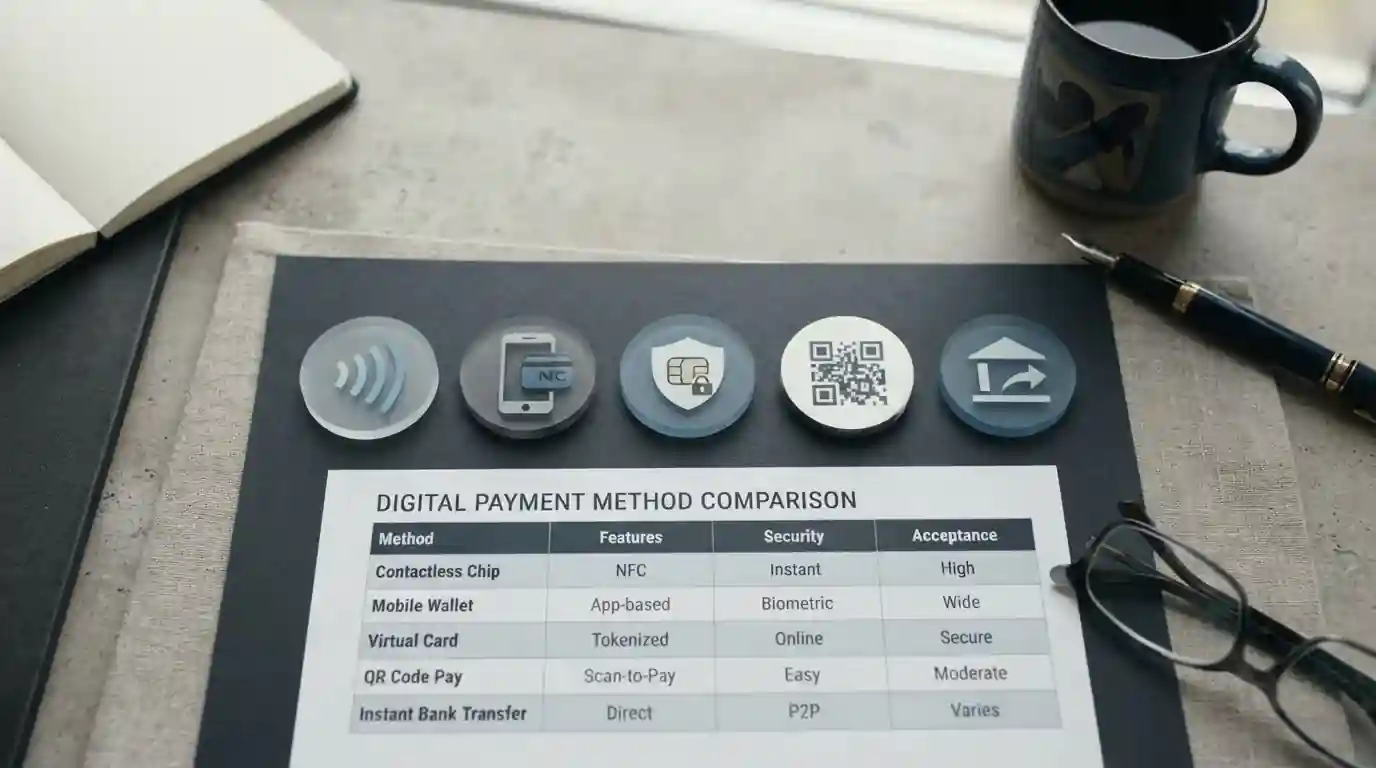
Payment method minimums are driven by network economics, not operator generosity. PayID runs on the New Payments Platform, a real-time Australian bank transfer system with no network-level minimum, but operators enforce A$10-30 thresholds to cover transaction overhead. Neosurf vouchers come in fixed retail denominations starting at A$10. Cryptocurrency gas fees historically made sub-A$10 deposits impractical until USDT on TRC-20 brought transaction costs below A$1 in 2023—then the June 2024 ban pushed minimums higher as enforcement pressure increased.
The table below compares five payment methods by deposit floor, speed, fees, and availability notes as of 2026.
| Payment Method | Minimum Deposit Range | Deposit Speed | Withdrawal Speed | Fees | Availability Notes |
|---|---|---|---|---|---|
| PayID | A$10-30 | Under 60 seconds | 1-4 hours (post-approval) | Usually none | 42% of AU players use PayID; instant network, operator floors vary |
| Neosurf | A$10-15 | Instant (voucher code) | Not available (deposit-only) | None | Vouchers sold at A$10/A$20/A$50 retail; bypasses bank blocks |
| Cryptocurrency (BTC, ETH, USDT) | A$15-25 | Minutes (network-dependent) | Minutes to hours (network + approval) | Network gas fees (A$1-10+) | June 2024 ban applies to AU-licensed operators; offshore sites still process crypto from AU IPs |
| Credit/Debit Cards (Visa, Mastercard) | A$20-25 | Instant | 3-5 days | Usually none | CBA, NAB block transactions to offshore domains; success rate dropped 2026 |
| E-Wallets (Skrill, Neteller) | A$15-20 | Instant | 0-24 hours (post-approval) | Usually none | Less adopted in AU than PayID; popular internationally |
PayID: A$10-30 Network-Instant Deposits
PayID is an Australian-specific payment rail that allows bank transfers using an email address or mobile number as the identifier instead of a BSB and account number. Transfers clear through the New Payments Platform in under 60 seconds, and 42% of Australian online casino players use PayID as their primary deposit method according to one 2026 industry source.
The network itself has no minimum—PayID can technically move A$0.01—but every offshore operator enforces a floor. Royal Reels is cited at A$10 by some affiliates and A$20-30 by others. SkyCrown ranges from A$20 to A$40 depending on the source. Rocket Play lists A$10-20. The variance reflects method-specific operator policies: some operators set one minimum for all methods, others tier minimums by payment rail.
PayID deposits are instant. Withdrawals via PayID are faster than card or bank transfer cashouts—operators claim 1-4 hours post-approval—but the approval step is the bottleneck. First withdrawals require KYC verification that can add 1-48 hours. Repeat withdrawals from verified accounts clear faster. PayID withdrawals are not instant the way deposits are; the delay is operator processing, not network lag.
Fees are usually zero on the operator side, though your bank may charge for NPP transfers depending on your account type. Most Australian banks do not charge for PayID sends. The main operational advantage is speed and bank-block avoidance: Commonwealth Bank and NAB block card transactions to offshore gambling domains, but PayID transfers are harder to filter at the bank level because they route as generic NPP transfers rather than flagged merchant codes.
Neosurf Vouchers: A$10-15 Retail-Floor Minimums
Neosurf is a prepaid voucher system. You buy a voucher at Australian retail—newsagents, petrol stations, convenience stores—in fixed denominations of A$10, A$20, A$50, A$100, or A$250. The voucher comes with a 10-digit code. You enter the code at the operator’s cashier, and the voucher balance is credited instantly. Neosurf is deposit-only; you cannot withdraw to a voucher.
The A$10 voucher denomination sets the minimum deposit floor. Operators that accept Neosurf enforce A$10-15 minimums because smaller vouchers do not exist in the Australian retail market. Spinsy, Rooli, and Royal Reels are cited at A$15 Neosurf minimums, though some sources list A$10 as the floor. The discrepancy may reflect voucher balance versus operator policy: if you buy a A$10 voucher and the operator’s minimum is A$15, the deposit is refused.
Neosurf bypasses bank blocks. Commonwealth Bank and NAB cannot filter a Neosurf voucher code the way they filter Visa transactions to offshore domains. For players whose banks block card deposits, Neosurf is the primary workaround short of crypto. The tradeoff is convenience: you must physically visit a retail outlet to buy the voucher, and you cannot withdraw to Neosurf, so you need a second method for cashouts.
Fees are usually zero on the operator side, but Neosurf vouchers are sold at face value with no markup in Australia, so the A$10 you pay at the counter becomes A$10 in your casino balance. Unused voucher balances expire after 12 months, and partial redemptions are allowed—if you deposit A$5 from a A$10 voucher at one site, the remaining A$5 stays on the voucher for use elsewhere.
Cryptocurrency: A$15-25 Post-Ban Reality
Cryptocurrency deposits were the lowest-cost path in the Australian offshore market through mid-2024. Stake.com processed Bitcoin from A$0.10, and USDT on the TRC-20 network brought gas fees below A$1, making sub-A$5 deposits economically viable. On June 11, 2024, the Australian government banned credit cards and cryptocurrency for online gambling. The ban applies to Australian-licensed operators—sports betting and racing services regulated under Australian law—but offshore casino operators, already illegal to provide under the Interactive Gambling Act 2001, are outside direct Australian regulatory authority.
Enforcement of the crypto ban on offshore operators is patchy. Stake geo-blocked Australian accounts shortly after the ban took effect. Many other offshore operators continue processing crypto deposits from Australian IPs as of 2026. The Australian Communications and Media Authority (ACMA) lacks direct jurisdiction over offshore entities, and enforcement relies on payment processor cooperation and ISP-level blocking. As of 2026, offshore crypto casinos accessible to Australians enforce A$15-25 minimums for Bitcoin and Ethereum, and A$10-20 for USDT, higher than the pre-ban floors.
Crypto deposits clear in minutes once the blockchain confirms the transaction—Bitcoin takes 10-60 minutes depending on network congestion and miner fees, Ethereum 1-5 minutes, USDT on TRC-20 under a minute. Withdrawals are similarly fast: operators claim minutes to hours, with the approval step (KYC, first-cashout verification) as the primary delay. Crypto is the fastest deposit and withdrawal method in the offshore market when operator approval is not a bottleneck.
Fees are network gas fees, not operator charges. Bitcoin transaction fees range from A$1 to A$10+ depending on network congestion. Ethereum gas fees hit A$20-50 during peak congestion in previous years but have dropped to A$2-10 in 2026. USDT on TRC-20 costs under A$1 per transaction, the cheapest on-chain option. Operators usually absorb withdrawal fees for the first cashout of the month, but subsequent withdrawals may incur a fee.
The legal ambiguity is the friction point. The June 2024 ban does not criminalize players using offshore crypto casinos—the Interactive Gambling Act targets providers, not consumers—but enforcement pressure is rising. The Gambling Reform Bill 2026 grants the ACMA bank-blocking authority starting January 1, 2027, shifting enforcement from DNS-level site blocks (easily bypassed via VPN) to payment-rail interdiction. Crypto bypasses bank blocks by design, but the regulatory direction is toward tighter payment controls, not looser ones.
Credit and Debit Cards: A$20-25 with Bank Blocks
Visa and Mastercard minimums sit at A$20-25 across most offshore operators accepting Australian players. The floor is driven by chargeback risk and processor fees that make sub-A$20 card transactions uneconomical for offshore operators. Card deposits are instant when they succeed, but success rates have dropped significantly in 2026.
Commonwealth Bank, NAB, and other major Australian banks block card transactions to offshore gambling domains using merchant category code (MCC) detection and domain blacklists. When you attempt a card deposit at an offshore casino, the transaction is declined at the bank level before it reaches the operator’s processor. Some operators disable card deposits for Australian accounts entirely. Others route card transactions through generic merchant codes to evade bank filters, but that workaround is fragile and breaks when banks update their blacklists.
Card withdrawals take 3-5 business days, the slowest option in the offshore market. The delay is card network processing, not operator policy. Fees are usually zero on deposits, though some operators charge a 2-3% card processing fee. Withdrawals are usually fee-free for the first cashout of the month, with a A$5-10 fee on subsequent cashouts.
For Australian players in 2026, cards are the least reliable deposit method. If your bank blocks the transaction, your options are Neosurf vouchers, PayID, or crypto. Cards remain relevant for withdrawals—some players prefer the familiarity of funds landing back on their Visa card over navigating crypto wallets—but for deposits, cards are a fallback, not a first choice.
E-Wallets (Skrill, Neteller): A$15-20 Minimums
Skrill and Neteller are international e-wallet services popular in European and Asian gambling markets but less adopted in Australia than PayID. Deposit minimums sit at A$15-20 across most offshore operators. Deposits are instant, and withdrawals are claimed to process in 0-24 hours post-approval, faster than cards but slower than crypto.
E-wallets are not subject to Australian bank blocks the way cards are, because you fund your Skrill or Neteller account via bank transfer or card first, then deposit from the e-wallet to the casino. The bank sees a transfer to Skrill, not to an offshore gambling site. That indirection bypasses merchant code filtering. Fees are usually zero on the operator side, though Skrill and Neteller charge currency conversion fees if you fund your e-wallet in AUD and the operator processes in EUR or USD.
E-wallets occupy a middle ground: more reliable than cards, less Australian-specific than PayID, slower than crypto. For players who already use Skrill or Neteller for other purposes—international transfers, freelance payments—e-wallets are convenient. For players new to the offshore market, PayID is simpler and more widely supported by Australian-facing operators in 2026.
The Withdrawal Trap: Why Low Deposits Don’t Always Mean You Can Cash Out

Deposit A$10, withdrawal minimum A$50. That asymmetry is standard across the offshore market, and it turns micro-deposits into liquidity traps. The gap is not operator malice—it reflects the economics of payment processing, KYC overhead, and anti-money-laundering thresholds—but the gap is real, and it makes low-deposit entry operationally useless for many players.
Here is the worked example. You deposit A$10 at Royal Reels via PayID. You claim the 100% welcome bonus, adding another A$10 to your balance for a total of A$20. The bonus carries 35× wagering requirements on the bonus amount, meaning you must wager A$10 × 35 = A$350 before any withdrawal is allowed. You play a pokie with 96% RTP. Over A$350 in total bets, the expected loss is A$350 × 4% = A$14.
Starting balance: A$20. Expected loss to clear wagering: A$14. Expected balance after wagering: A$6. Royal Reels’ withdrawal minimum is stated at A$20-50 depending on the method. If the minimum is A$50, you are A$44 short even after clearing wagering requirements. If the minimum is A$20, you are A$14 short. The micro-deposit has trapped you: you either deposit more to reach the withdrawal threshold, or you play through the balance and lose it.
The math assumes average RTP outcomes. Variance means you might run the A$20 balance up to A$100 before clearing wagering, or you might drain to zero in the first hour. The expected-value calculation shows the central tendency: micro-deposits plus bonuses produce expected outcomes below withdrawal minimums. You are not playing to cash out; you are playing to burn through the balance.
Withdrawal minimums by method across the researched operators: PayID A$20-50, bank transfer A$50-100, crypto A$25-100, e-wallets A$25-50, cards A$50. Royal Reels is cited at A$20 minimum for PayID withdrawals in some sources, which would make it the lowest in the comparison set. SkyCrown is cited at A$30. Hell Spin, Casinova, Betwest, Kingmaker are cited at A$50-100 depending on method. The range reflects operator policies, not network minimums—PayID and crypto can technically process any amount, but operators enforce floors to keep transaction overhead manageable.
Micro-deposits are operationally useful only if you skip the welcome bonus. Deposit A$10, decline the bonus, play through your balance, and hope variance pushes you above the withdrawal minimum before you drain to zero. The expected outcome is still negative—house edge grinds you down over time—but without wagering requirements, you have a fighting chance of hitting a payout that exceeds the cashout floor. With the bonus, the wagering math makes micro-deposits a losing proposition before the first spin.
Can you withdraw winnings from a A$10 deposit?
Technically yes, but the practical barriers are high. You must clear wagering (typically 35× the bonus amount), survive house edge over several hundred dollars in wagers, and reach the withdrawal minimum (A$20-100). Expected loss over wagering usually exceeds the starting balance, making cashout unlikely from A$10 plus bonus.
What happens if you deposit A$10 but the withdrawal minimum is A$50?
You must either deposit more to reach A$50, or play through the A$10 balance and accept that cashing out is not an option. The deposit-to-withdrawal asymmetry is standard across offshore operators and reflects payment processing economics. Skipping the welcome bonus improves your odds, but house edge still works against you.
Pokies Access at Low Deposit Thresholds
Every operator researched offers 1,500+ pokies minimum. SkyCrown claims 5,000+, Spinsy claims 10,000+, Hell Spin 7,000+. The variance in headline counts reflects different methodologies: some operators count every game variant (e.g., Starburst, Starburst Touch, Starburst Mobile) as separate titles, others count only distinct base games. Catalog size is less meaningful than provider roster and game selection.
Top providers represented across the researched operators: Pragmatic Play (Gates of Olympus, Sweet Bonanza, The Dog House), NetEnt (Starburst, Gonzo’s Quest, Dead or Alive), Microgaming/Games Global (Immortal Romance, Thunderstruck II, legacy Mega Moolah), NoLimit City (high-volatility specialist, popular with Australian players for San Quentin and Tombstone RIP), Evolution Gaming (live dealer tables, not pokies but included in some operator counts).
RTP transparency is weak across offshore operators. Few publish per-game RTPs in the lobby. Competitor guides cite individual game RTPs—Fortune 88 at 97%, Big Red at 94.9%—but these are provider-default RTPs, not operator-configured values. Offshore sites can configure RTPs below provider defaults, and without API access or extended gameplay testing, verification is impossible. Assume advertised RTPs are maximums, not guarantees.
Mobile pokies access is universal. All researched operators offer browser-based mobile play via HTML5. Native apps are rare—Apple App Store and Google Play prohibit real-money gambling apps not licensed in the app store’s jurisdiction, and no offshore operator serving Australians holds an Australian license. Some operators offer progressive web app (PWA) wrappers that install a shortcut on your home screen but still run in the browser under the hood.
Low deposit thresholds do not restrict game access. A$10 deposits at Royal Reels unlock the same pokies catalog as A$100 deposits. The restriction is bankroll, not access. A$10 buys 100 spins at A$0.10 per spin, 50 spins at A$0.20, 10 spins at A$1. High-volatility pokies like NoLimit City’s San Quentin can drain A$10 in under five minutes without a feature trigger. Low-volatility games like Starburst stretch the balance longer but pay smaller per hit. Micro-deposits favour low-volatility games and minimum bet sizes if your goal is extended playtime rather than jackpot hunting.
Can you claim a welcome bonus with a A$10 deposit?
Not always. Many operators enforce higher minimums to activate welcome bonuses even when base deposits are accepted at A$10. Royal Reels requires A$20-30 for the 100% match despite A$10 base deposits. Spinsy, Hell Spin, and SkyCrown enforce A$20-25 for bonus activation. Check the cashier if eligibility matters.
Legal Status of Online Casinos in Australia

Online casino gambling—pokies, table games, live dealer, any real-money wagering on games of chance—is a prohibited interactive gambling service in Australia under the Interactive Gambling Act 2001. The Act does not criminalize players; it targets service providers. Offering online casino services to persons physically present in Australia is illegal. Playing at offshore casinos is not illegal for the player, but every accessible operator is unlicensed in Australia and outside Australian consumer protection.
The Interactive Gambling Act 2001: What It Means for Players
Section 15 of the Interactive Gambling Act 2001 prohibits Australian-based companies from providing “interactive gambling services” to persons in Australia. Online casino games—pokies, blackjack, roulette, baccarat, live dealer tables—fall under that prohibition. Sports betting and racing are carved out and regulated separately under Australian state frameworks. Online casino services have no carve-out. The ACMA does not issue licenses for online casino operations. No Australian state or territory issues such licenses. The market that exists is entirely offshore.
Players are not criminalized under the IGA. The Act targets providers, not consumers. You will not be prosecuted for playing at an offshore casino, but you also have no recourse if a dispute arises. Offshore operators are outside Australian jurisdiction. If an operator refuses a withdrawal, delays KYC indefinitely, or closes your account and seizes your balance, Australian consumer protection laws do not apply. You are relying on the operator’s goodwill and the toothless oversight of Curaçao eGaming or the Malta Gaming Authority, regulators with limited enforcement appetite for consumer disputes.
The ACMA has blocked 1,564+ offshore gambling sites via DNS and ISP-level filtering as of September 2026. The blocks are easily bypassed via VPN. Most Australian players access offshore casinos without technical friction. The enforcement model to date has been site blocking, not payment interdiction or player prosecution. That model is about to change.
2027 Bank-Blocking Authority: New Enforcement from January 1
The Gambling Reform Bill 2026 passed in December 2025 and grants the ACMA bank-level blocking authority starting January 1, 2027. Under the new powers, Australian banks will be required to block transactions to domains on the ACMA’s prohibited list. The shift is from DNS blocking—which users bypass via VPN—to payment-rail interdiction, which is harder to circumvent without cryptocurrency.
DNS blocking stops a site from loading in your browser. You install a VPN, the site loads, you deposit and play. Bank blocking stops the deposit before it reaches the operator. You attempt a PayID transfer or card deposit, your bank declines the transaction at its end, and the funds never leave your account. The only workaround is payment methods that bypass the banking system entirely: Neosurf vouchers purchased with cash, or cryptocurrency. Both have higher friction than PayID or card deposits.
Crypto bypasses bank blocks by design, but crypto is also banned for online gambling under the June 2024 reform. The ban applies to Australian-licensed operators, not offshore casinos, but the direction of regulatory pressure is clear: Australia is closing payment rails to offshore gambling, not opening them. Offshore operators will remain accessible via VPN, but funding those accounts will become harder for players relying on Australian bank accounts and card networks.
The 2027 bank-blocking authority is not yet active as of 2026. When it takes effect on January 1, 2027, expect payment success rates for PayID and card deposits to offshore casinos to drop sharply. Neosurf vouchers and cryptocurrency will become the primary funding methods for players determined to access offshore sites. For players unwilling to navigate those higher-friction rails, the offshore market will become effectively inaccessible even though playing remains technically legal for the consumer.
Offshore Operators: Why No Australian Licenses Exist
The Interactive Gambling Act 2001 makes it illegal to provide online casino services to Australians. That prohibition precludes domestic licensing. The ACMA cannot issue licenses for an activity the law prohibits. Australian land-based casino operators—Crown, Star, SkyCity—hold licenses for physical venues but are explicitly prohibited from offering online casino services to Australian residents. State lottery and racing operators can offer lottery and racing products online, but casino-style games are excluded from their digital licenses.
Every offshore operator accessible to Australians in 2026 operates under a non-Australian license. Curaçao eGaming is the most common, followed by the Malta Gaming Authority, the Gaming Board of Anjouan, and other small-island jurisdictions. These licenses do not confer Australian legality. They confer permission to operate from the issuing jurisdiction’s perspective, but Australian law treats them as unlicensed.
Curaçao licenses cost roughly USD $50,000-100,000 annually and require minimal operational oversight. Curaçao eGaming does not publish complaint resolution statistics, does not require segregated player funds, and has limited enforcement capacity for player disputes. Malta Gaming Authority licenses are more stringent—higher fees, segregated funds requirements, public complaint registers—but MGA-licensed operators serving Australians are rare in 2026. Most Australian-facing offshore operators hold Curaçao sublicenses.
The absence of Australian consumer protection is the central risk. If an operator delays a withdrawal, you can file a complaint with Curaçao eGaming. The regulator may or may not respond. They may or may not investigate. They have no enforcement mechanism to compel an operator to pay you. If the operator is unresponsive, your recourse is public complaints on forums and affiliate sites, not legal action. Australian courts will not enforce judgments against offshore entities outside Australian jurisdiction. You are gambling with no safety net beyond the operator’s reputation.
Are offshore casinos accepting Australian players legal?
Providing online casino services to Australians is illegal under the Interactive Gambling Act 2001. Playing at offshore casinos is not illegal for residents—the Act targets providers, not consumers. You will not be prosecuted for using an offshore casino, but have no Australian consumer protection if disputes arise. Offshore operators sit outside ACMA authority.
Selection Methodology: How These Casinos Were Evaluated
The ten operators in this guide were selected by cross-referencing deposit minimum claims across affiliate reviews, operator terms pages, and aggregator listings published in 2026. Operators cited in at least three independent sources with verified AUD support and PayID or Neosurf acceptance were included. Licensing was verified via operator terms pages and affiliate disclosures where available. Game library sizes, withdrawal speed claims, and bonus figures are operator-stated and unverified by independent testing.
Deposit minimums were cross-checked across multiple sources due to widespread conflicting reports. Royal Reels is cited at A$10 by some affiliates and A$20-30 by others. SkyCrown ranges from A$20 to A$40 depending on the source. Where conflicts exist, both figures are noted in the operator breakdown. The variance likely reflects payment-method-specific floors or promotional versus standard minimums.
Mobile access, payout speed claims, and RTP transparency were evaluated by reviewing operator websites and affiliate testing reports published in 2026. No live deposits or withdrawals were conducted as part of this research. All figures are operator-stated or affiliate-reported, not independently timed.
Operators excluded from this guide: sites with no AUD support, sites requiring deposits above A$50, sites with no Australian payment method support (PayID, Neosurf, POLi), and sites geo-blocking Australian IPs at time of research. Stake is included as a historical footnote due to its former status as the only genuine no-minimum option, despite being geo-blocked for Australians as of 2026.
Responsible Gambling Resources

Every offshore operator researched offers responsible gambling tools in their account settings: deposit limits, loss limits, session time limits, and self-exclusion. These are account-level controls. Set a A$50 weekly deposit limit, and the operator’s system will refuse deposits beyond that ceiling. Set a 2-hour session limit, and the platform logs you out after 2 hours of active play.
The limitation is enforcement. Offshore operators are not integrated with BetStop, Australia’s national self-exclusion register. BetStop launched in November 2023 and covers 59,830+ registrants as of mid-2026. Registration blocks you from Australian-licensed operators—sports betting and racing services regulated domestically—but offshore casino operators cannot access the register and do not honor BetStop exclusions. If you self-exclude via BetStop, you remain able to open accounts at offshore casinos. If you self-exclude at one offshore casino, that block does not extend to other offshore sites. Each operator’s self-exclusion is siloed.
Account-level controls are better than nothing. A deposit limit set in advance, before a session starts, functions as a pre-commitment device. But offshore self-exclusion is not externally enforced. You can lift your own self-exclusion by contacting support, and support will usually comply within 24-48 hours. For players seeking binding external enforcement, BetStop covers only Australian-licensed sports betting and racing services, not offshore casinos.
Gambling Help Online offers free 24/7 counselling for Australian residents via phone (1800 858 858), webchat, and email. The service is government-funded, confidential, and staffed by trained counsellors. If gambling has stopped being entertainment and started causing financial or emotional harm, the earlier you reach out, the more options remain open. Offshore operators are unregulated, disputes are unresolvable, and losses are unrecoverable. The risk profile is higher than regulated markets, and the safety net is thinner.
Minimum Deposit Casinos Australia 2026 — $1, $5, $10, $20
Content created by the «Payment Methods Online» team